
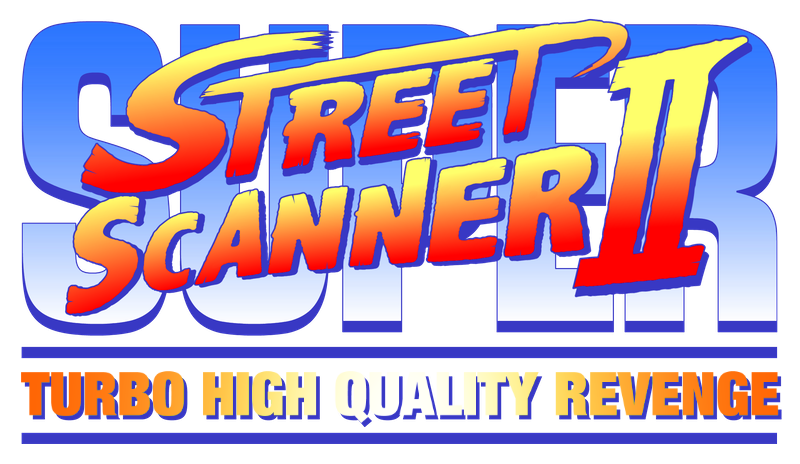
Super Street Scanner II is one of my long-term projects, involving not only the complete scanning of video game box contents but also the cleaning of scans, vectorization of logos, and the creation of usable templates.
© Alexandre Renevey & all the companies involved
For me, preserving video games is very important for several reasons: these games represent a crucial part of gaming history, offering invaluable insights into the evolution of technology, gameplay, and cultural trends. They serve as a window into the past, capturing the creativity, values, and interests of their time, making them invaluable historical artifacts. Additionally, these games hold a special place in the hearts of players, evoking cherished memories. Preserving them not only maintains our connection to the past but also allows future generations to share in the same nostalgia and sentiment that players experienced when these games were first released.
Moreover, it's crucial to recognize that without active preservation efforts, these video games may be lost to the sands of time, potentially leaving gaps in our understanding of the gaming industry's history and cultural significance.

That's why I'm deeply involved in this field; I'm dedicated to assisting preservation groups such as Redump (a well-known Disc Preservation Project group) and No-Intro (same, but for cartridges) in collecting information about video games. For example, I've contributed significantly by dumping data from approximately 500 disc-based games to ensure their preservation.
But my primary focus has been on meticulously scanning video game packaging, including front and back covers, manuals, flyers, and more. All in all, I scanned more than 36,000 documents, totaling 1.63 terabytes!
I called that project Super Street Scanner II: Turbo High Quality Revenge! (And I even created a logo for it :-)
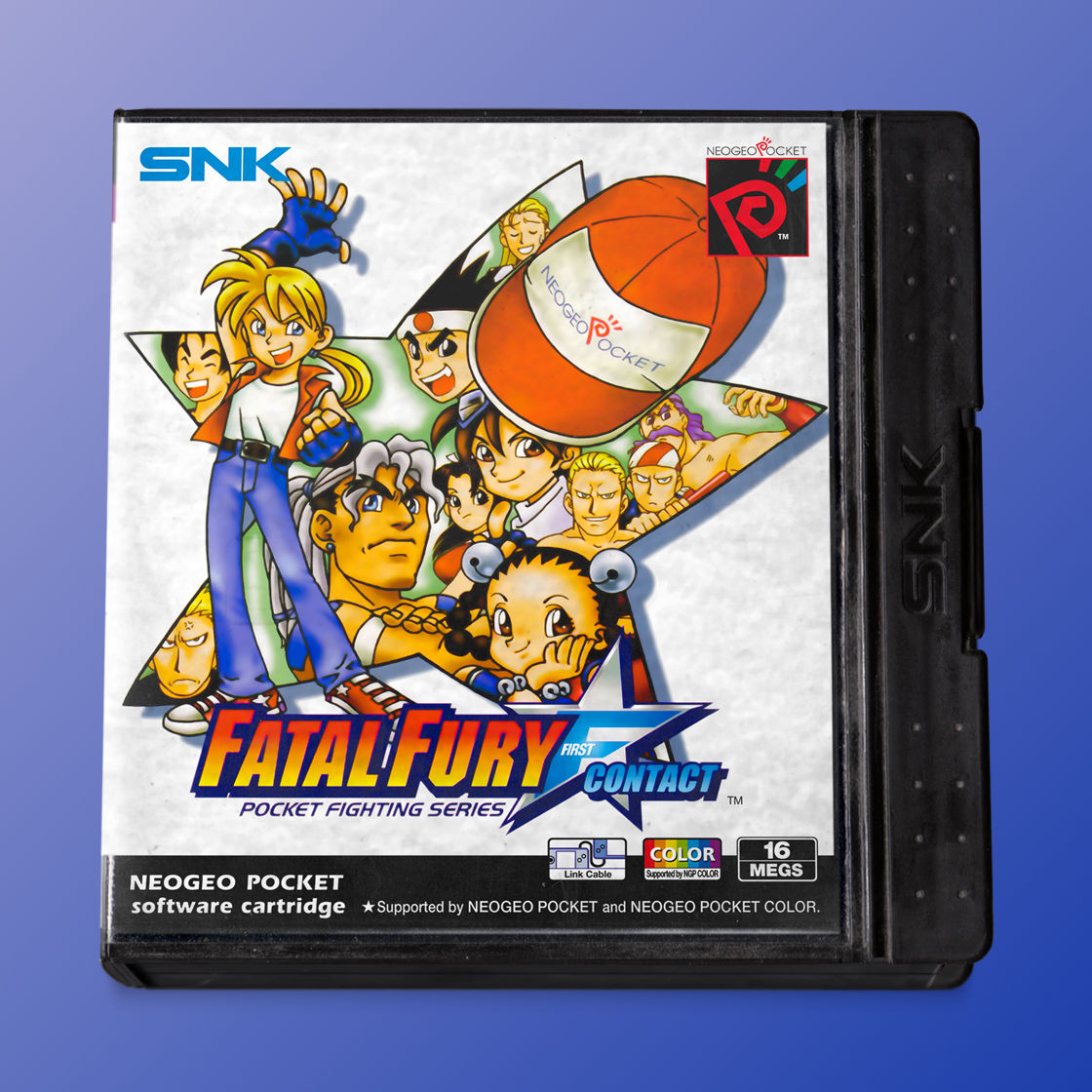
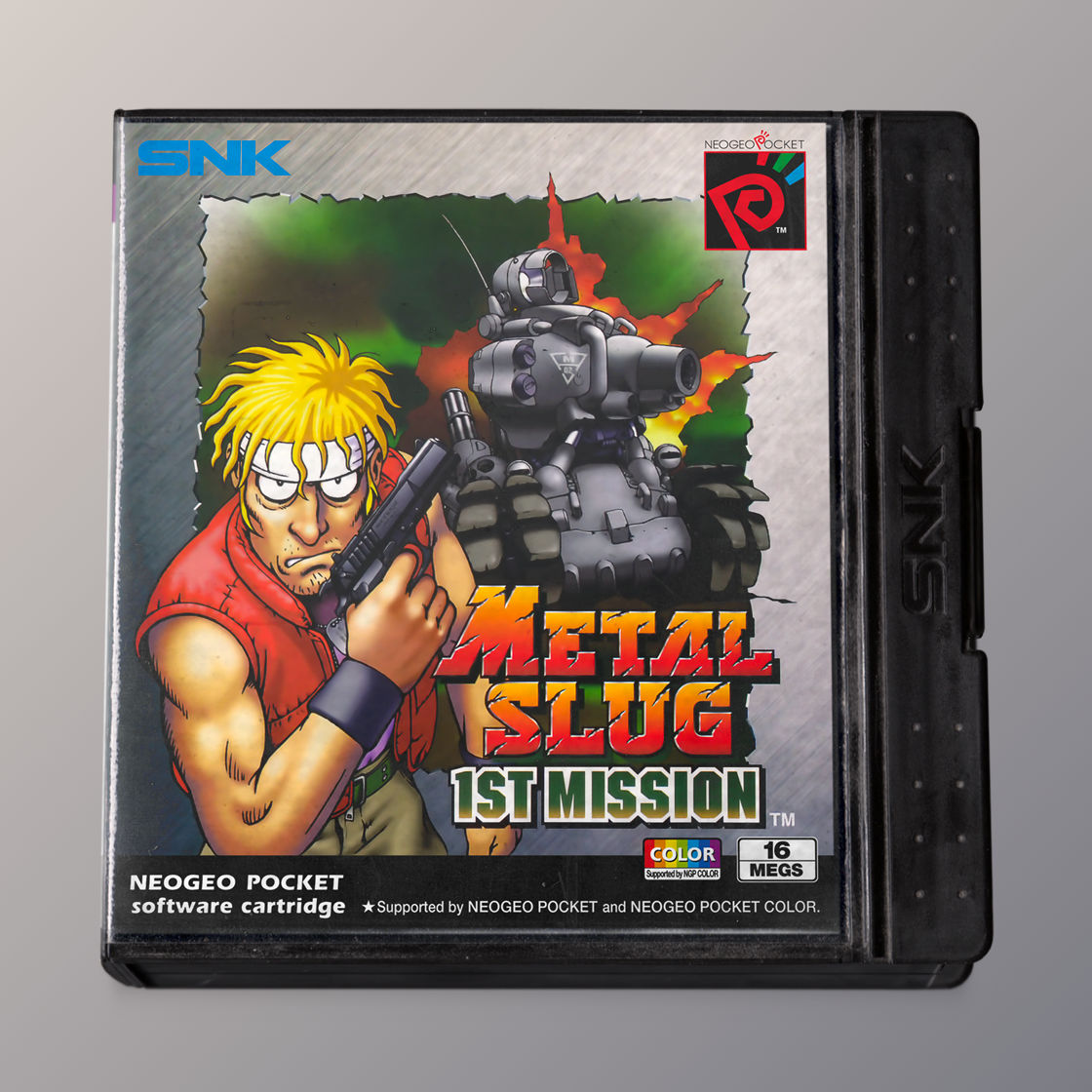
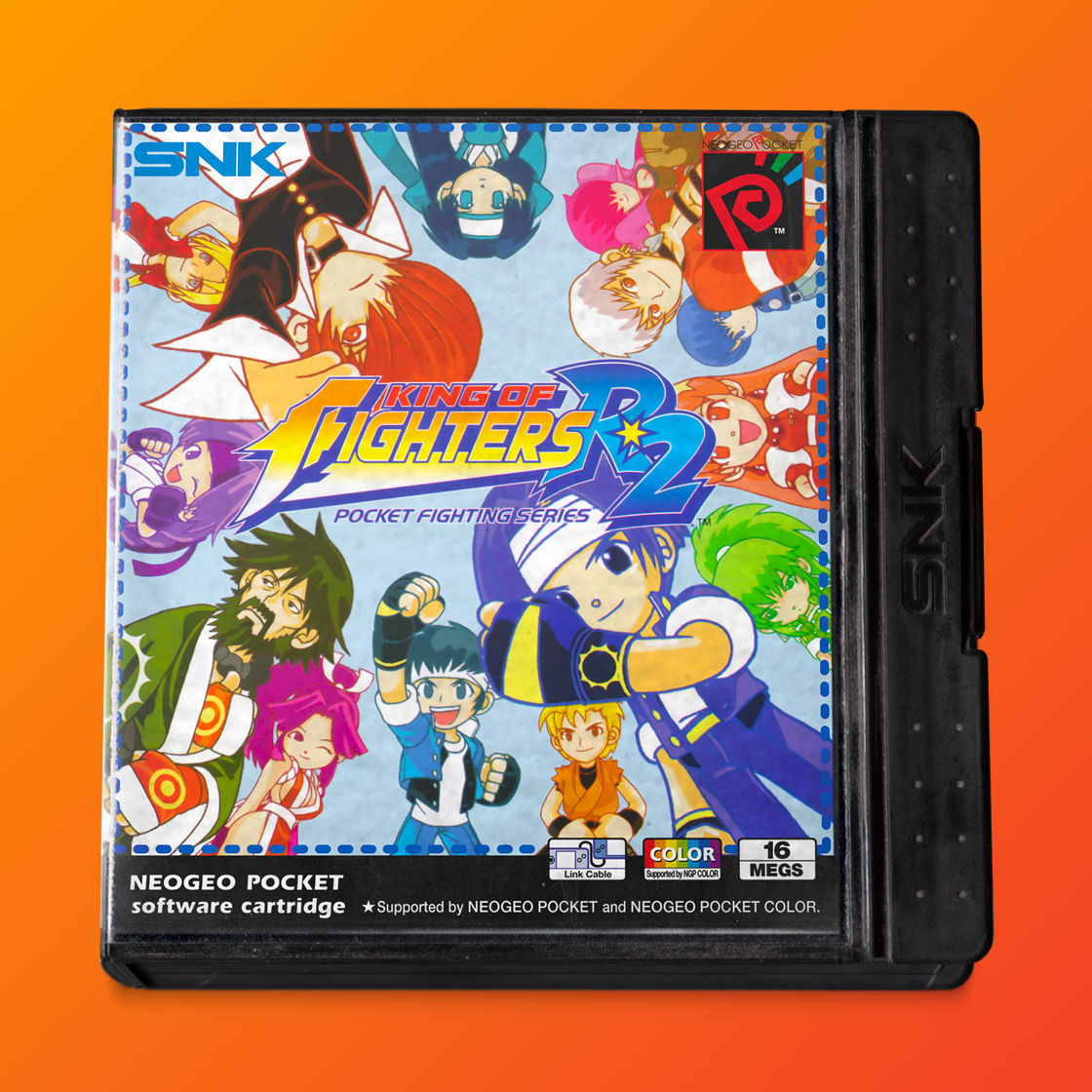
Preserving the artwork of older video games is a challenging endeavor. Unlike dumping a cartridge or a disc, which consistently produces the same result and ensures a perfect dump, scanning artwork yields different outcomes with each attempt. Factors like scratches, dust, sun fading, aging cardboard, printing errors, moiré patterns, and lighting variations all play a role. In the absence of the original documents, there is no ideal solution for preserving artwork. Nevertheless, scanning remains our only viable option. To achieve high-quality scans, I've established a set of guidelines and standards.
Here are some of these guidelines:
• Scan at 1200 dpi.
• Carefully remove staples from the manuals before scanning.
• Place a black sheet of paper behind the material being scanned to prevent bleed-through from the back.
• Save the final result in a lossless format (PNG or TIFF).
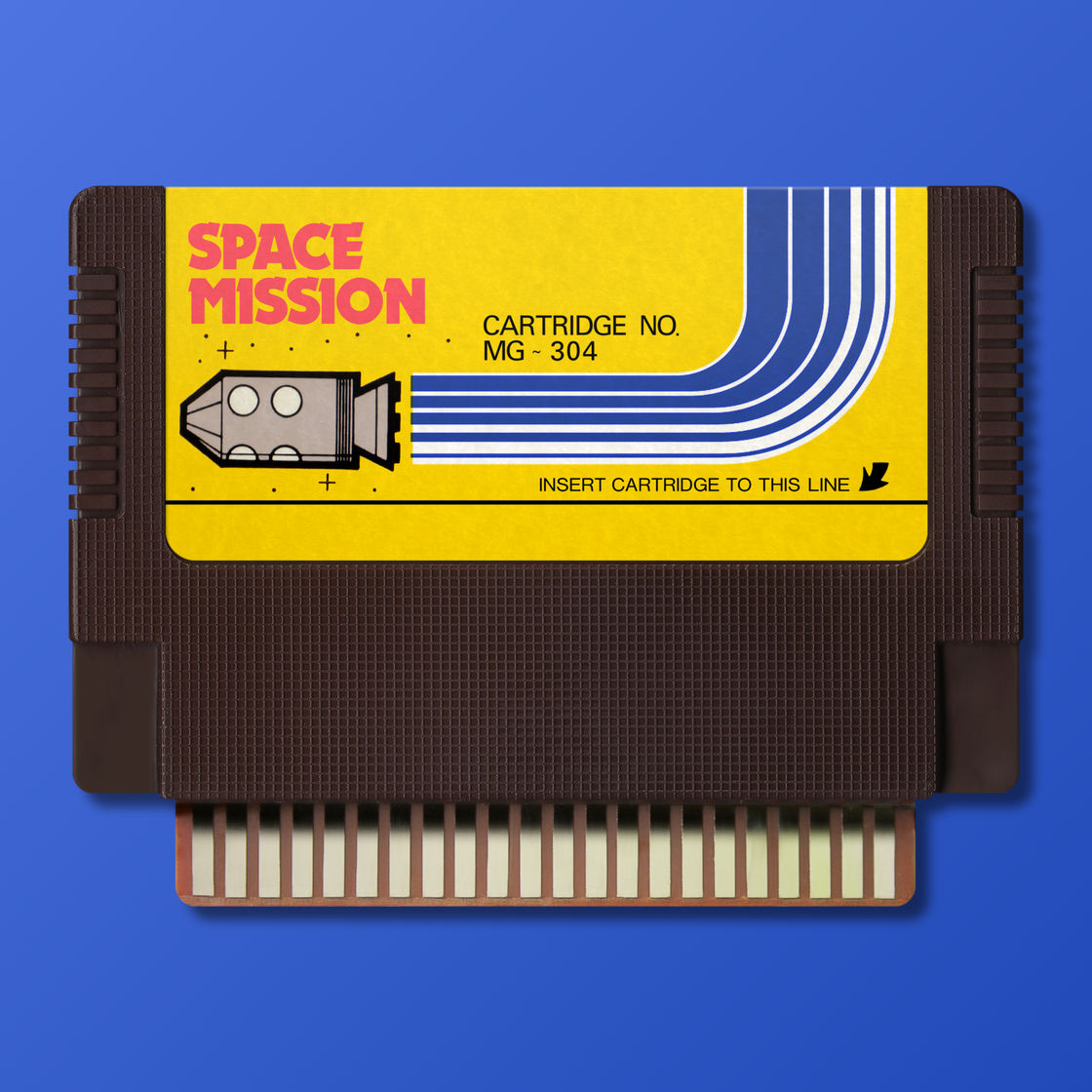
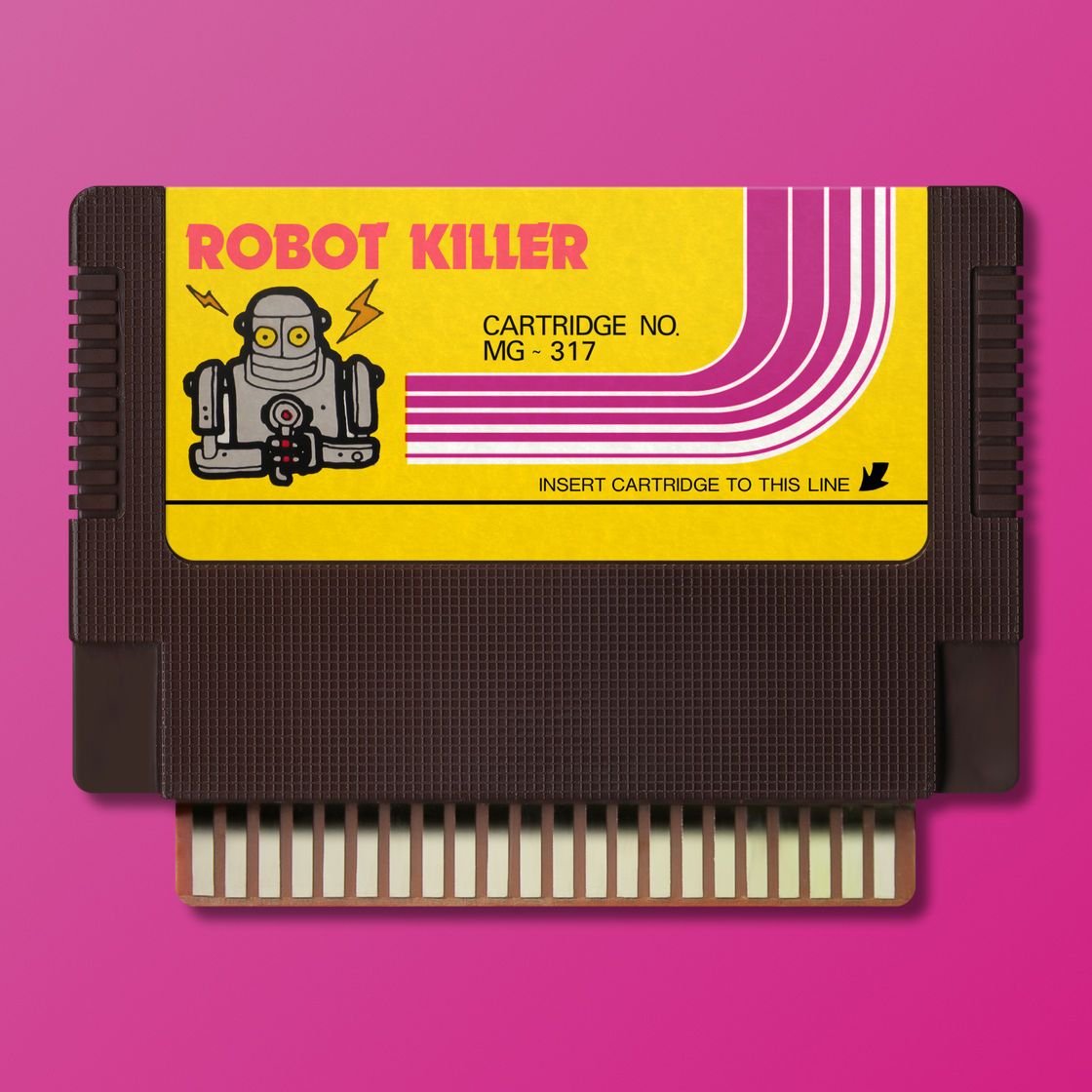
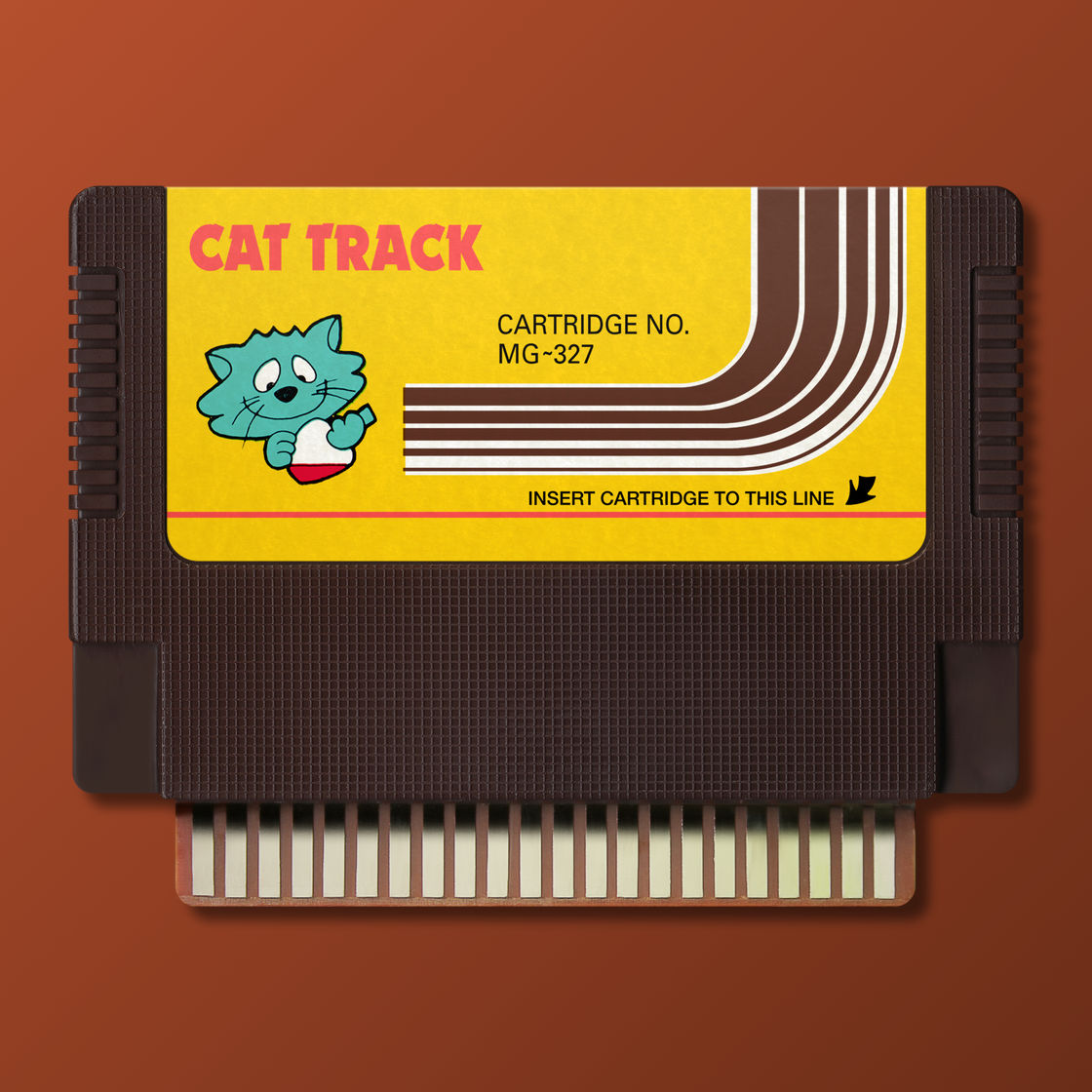
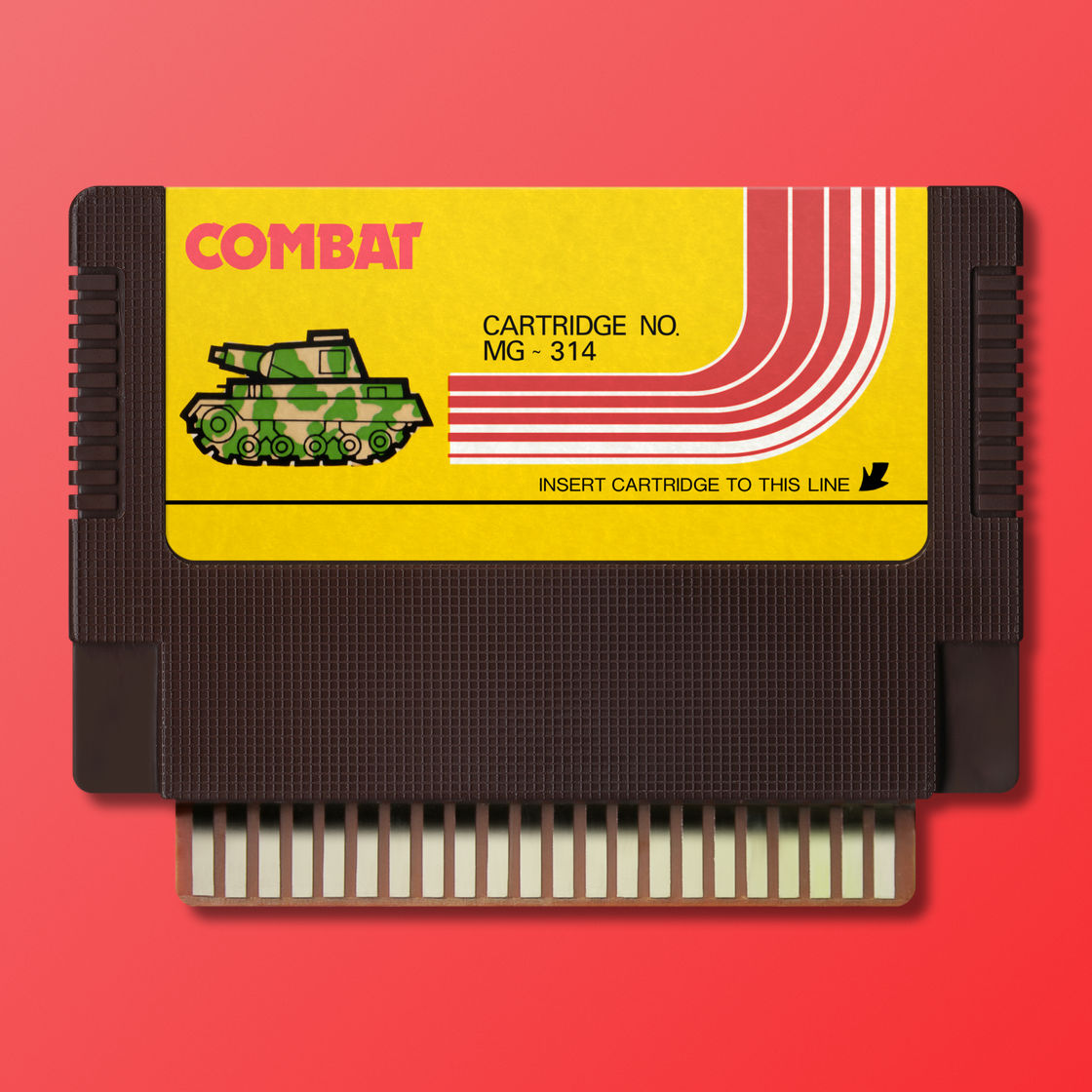
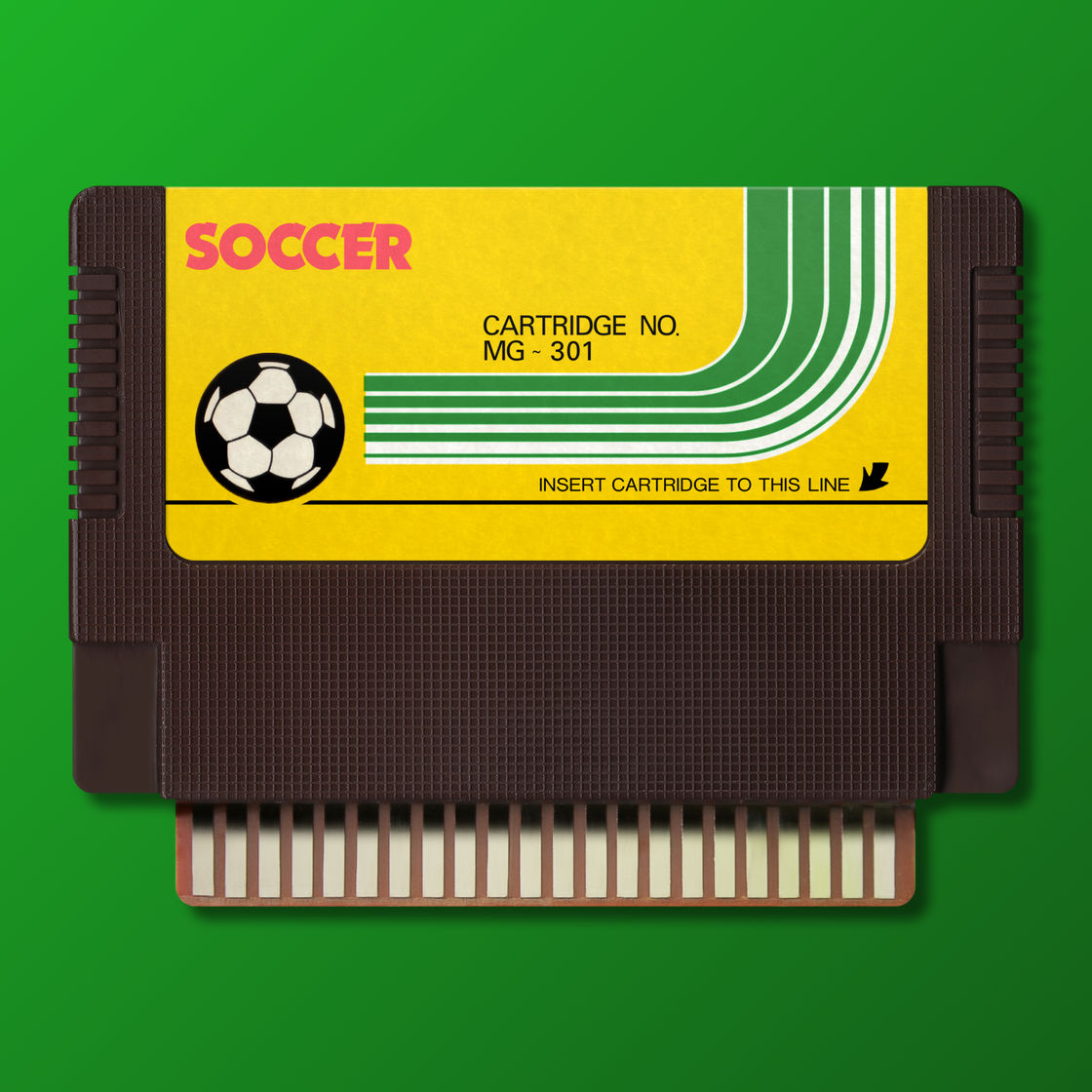
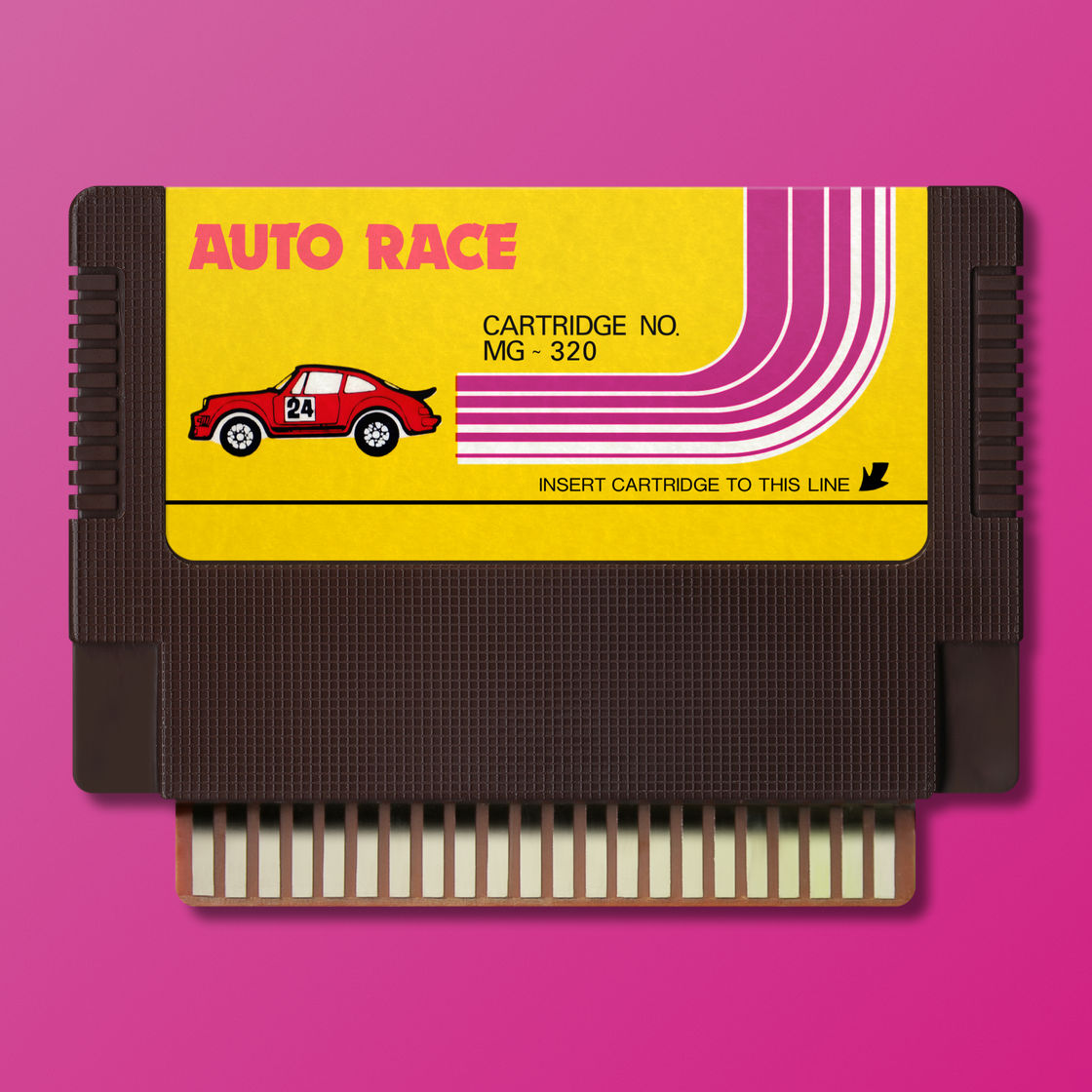
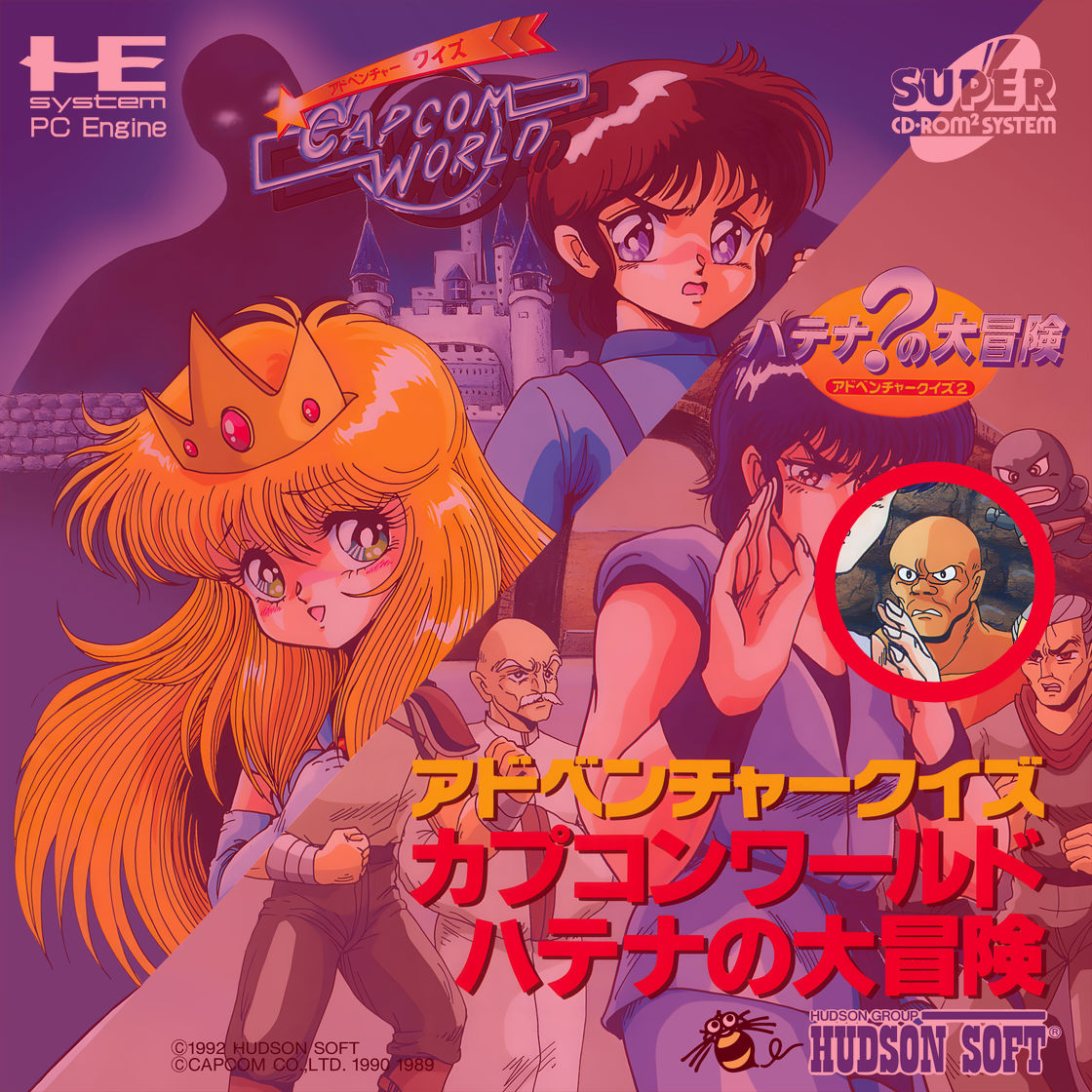
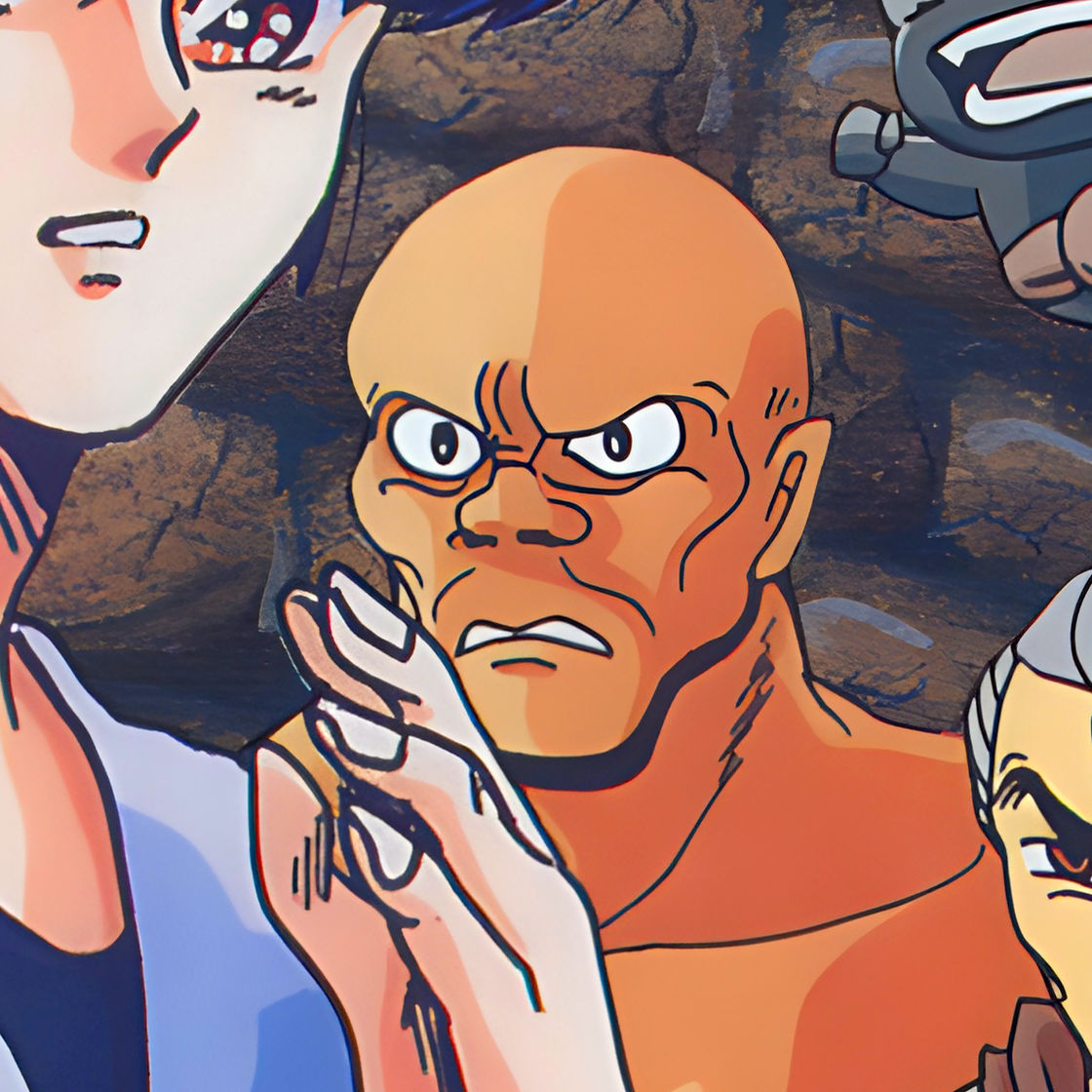
Eliminating the moiré pattern has proven to be a genuine challenge for me, and I have yet to discover an ideal solution. While there are plugins available for purchase that attempt to tackle moiré pattern removal, I find them to be less than perfect. One of the most effective methods I've encountered involves the use of artificial intelligence. I start by downsizing my scans from 1200 dpi to 300 dpi, and then employ AI to upscale the image back to 1200 DPI. More often than not, the results are quite satisfactory, though still not flawless. You can find a few examples below.
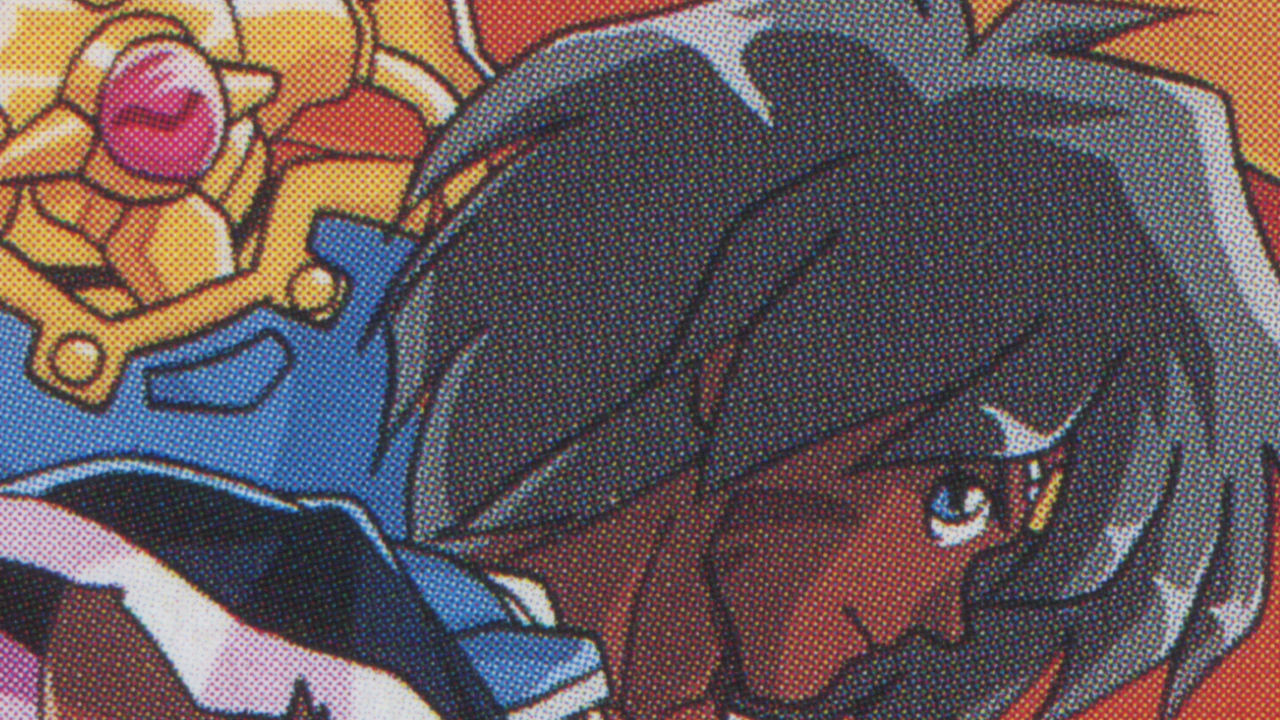
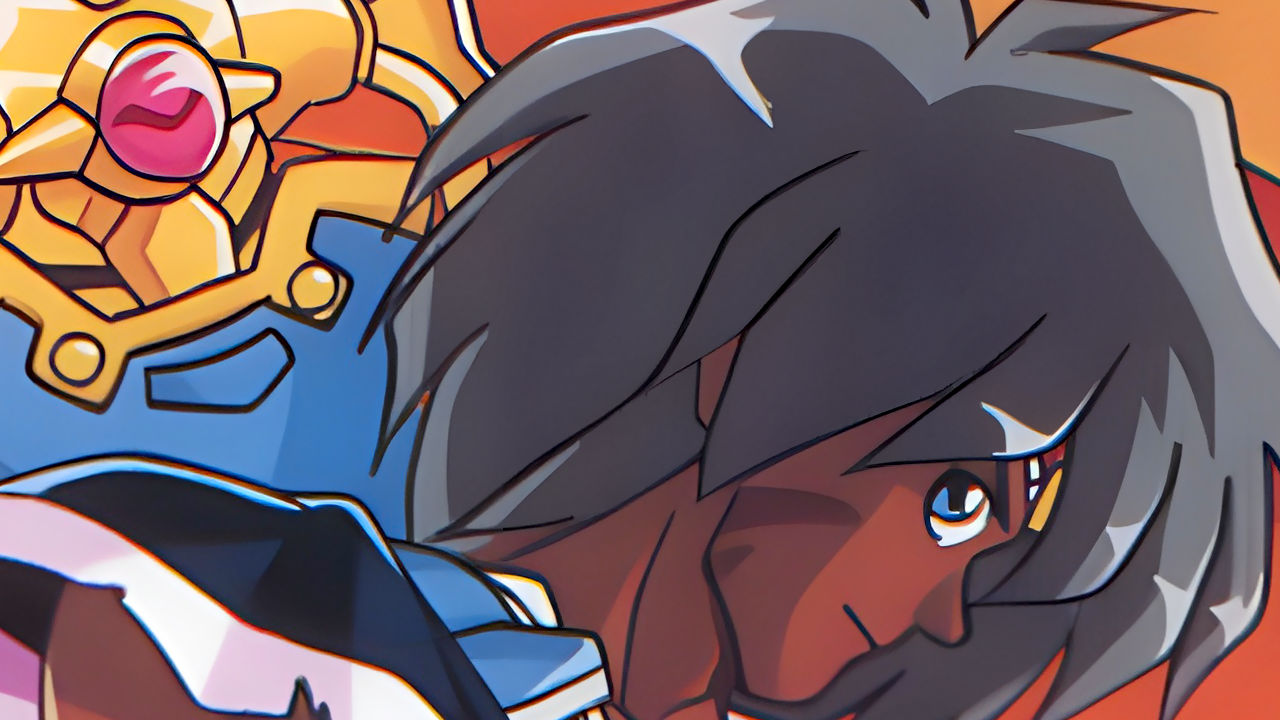
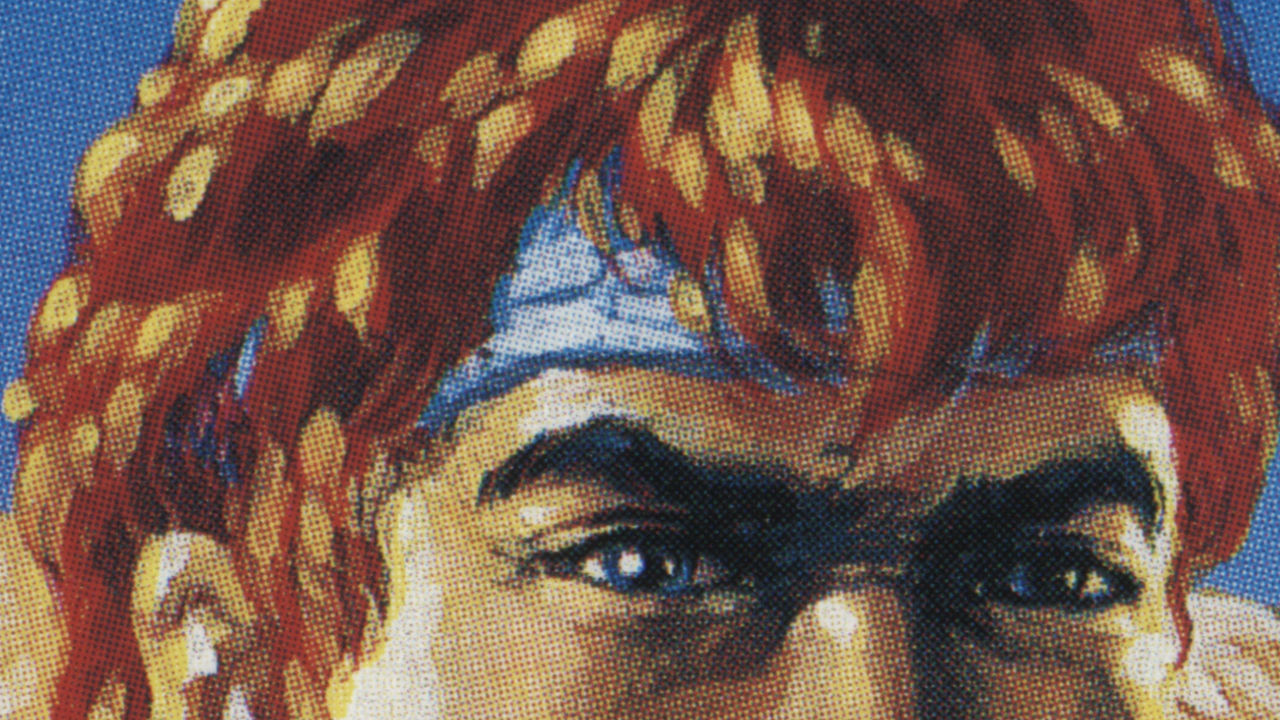
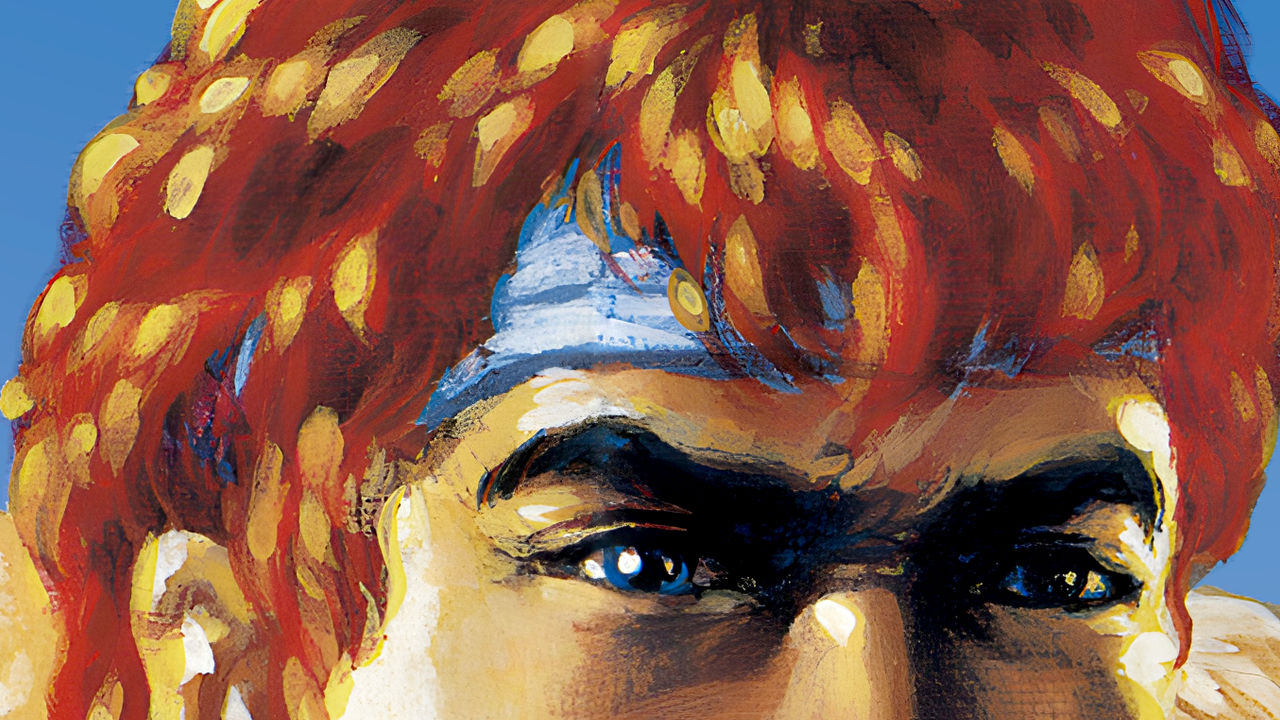
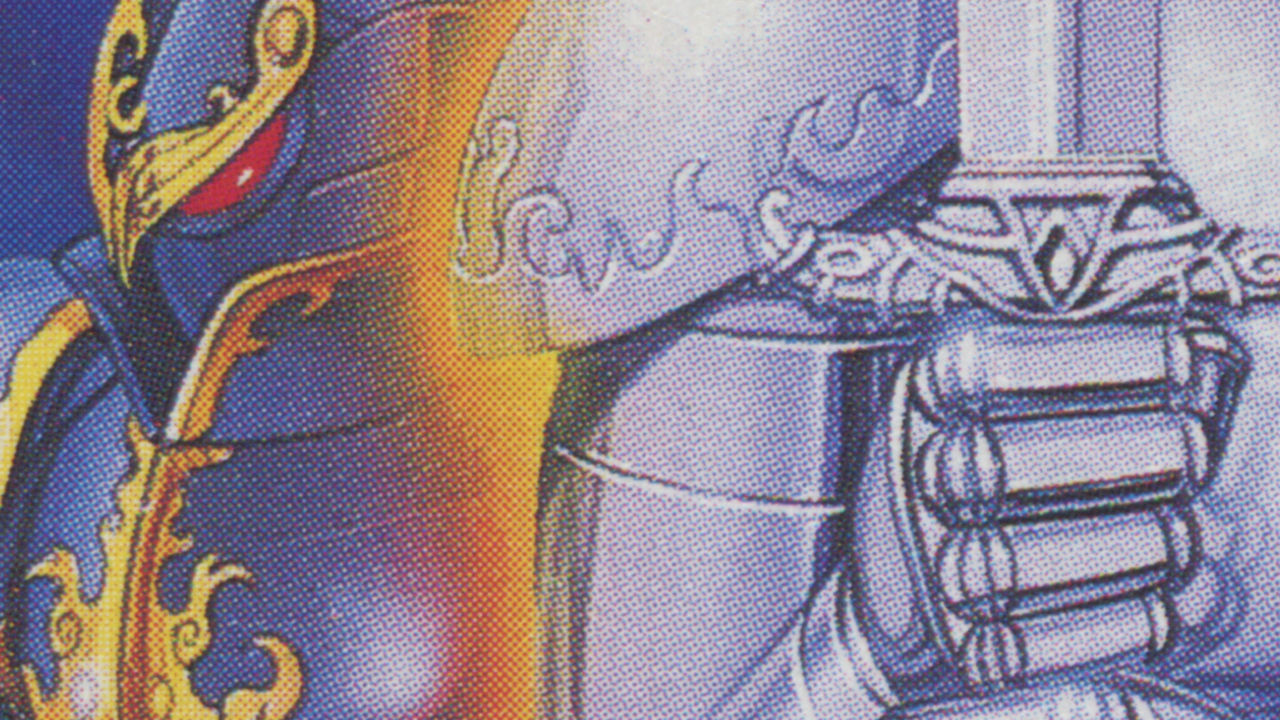
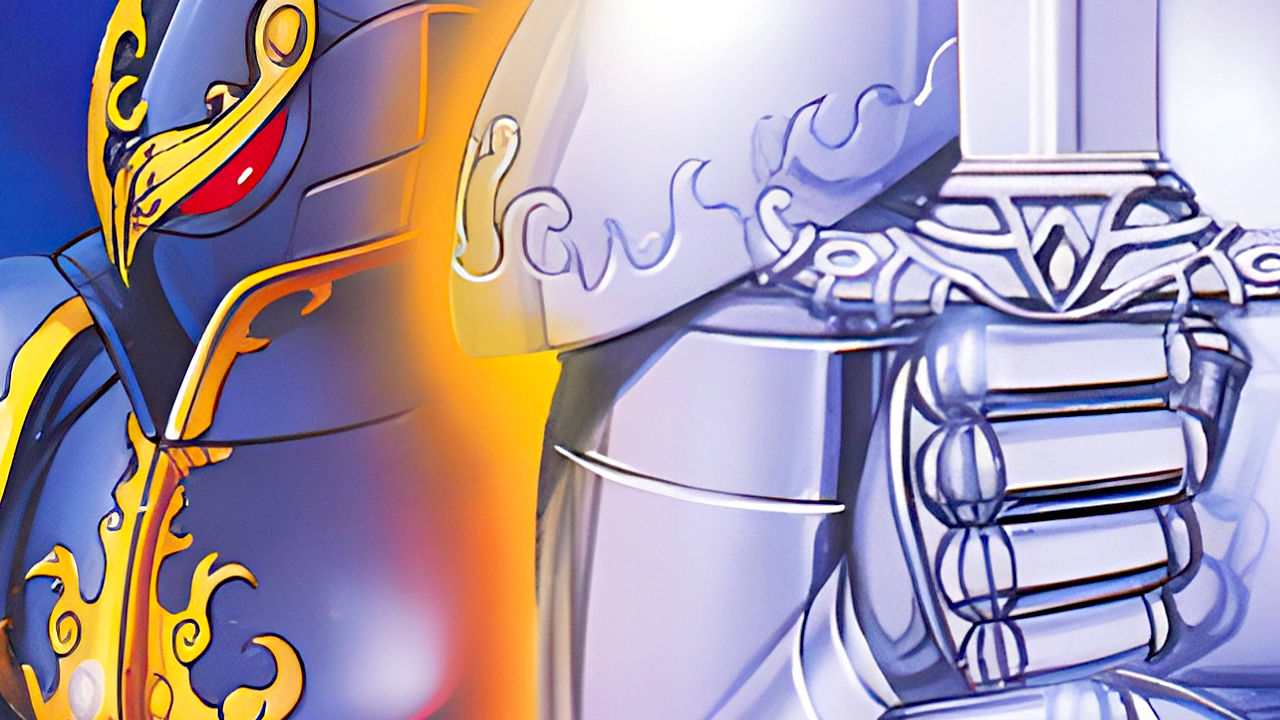
The technique works quite effectively with anime-like images, especially those with flat colors. However, it encounters challenges when dealing with intricate or noisy textures, such as fur, as it tends to eliminate subtle details. To address this, I've discovered an alternative approach: I run the original image through AI multiple times, each with different parameters. Afterward, I import the resulting images into Adobe Photoshop or Affinity Photo and retain the best elements from each.
It's still a substantial amount of work, but it yields significantly better results than my previous techniques while maintaining a high level of clarity.
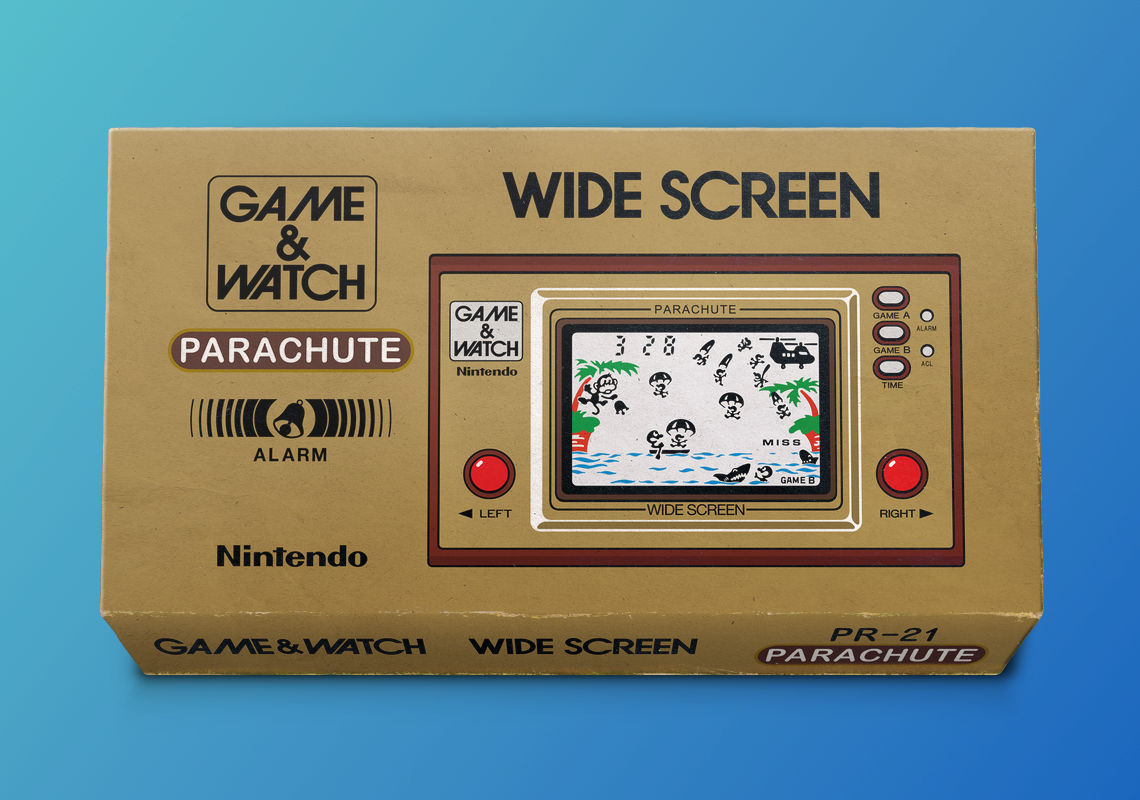
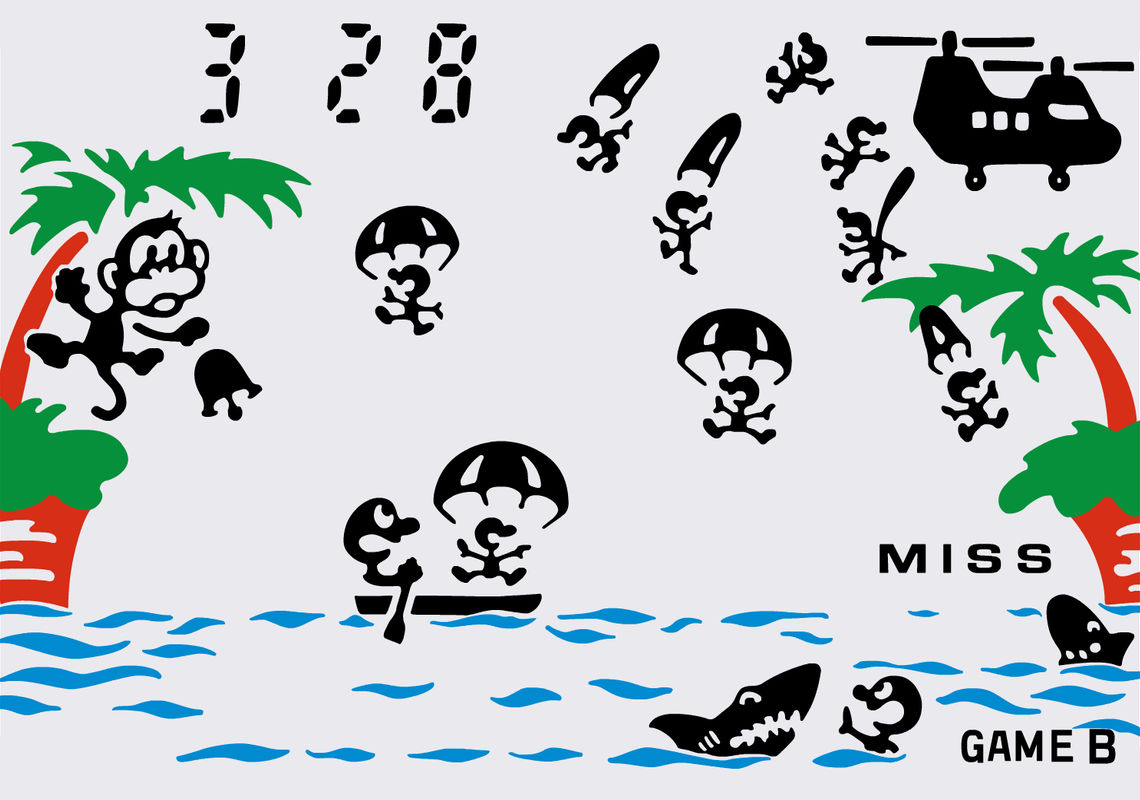
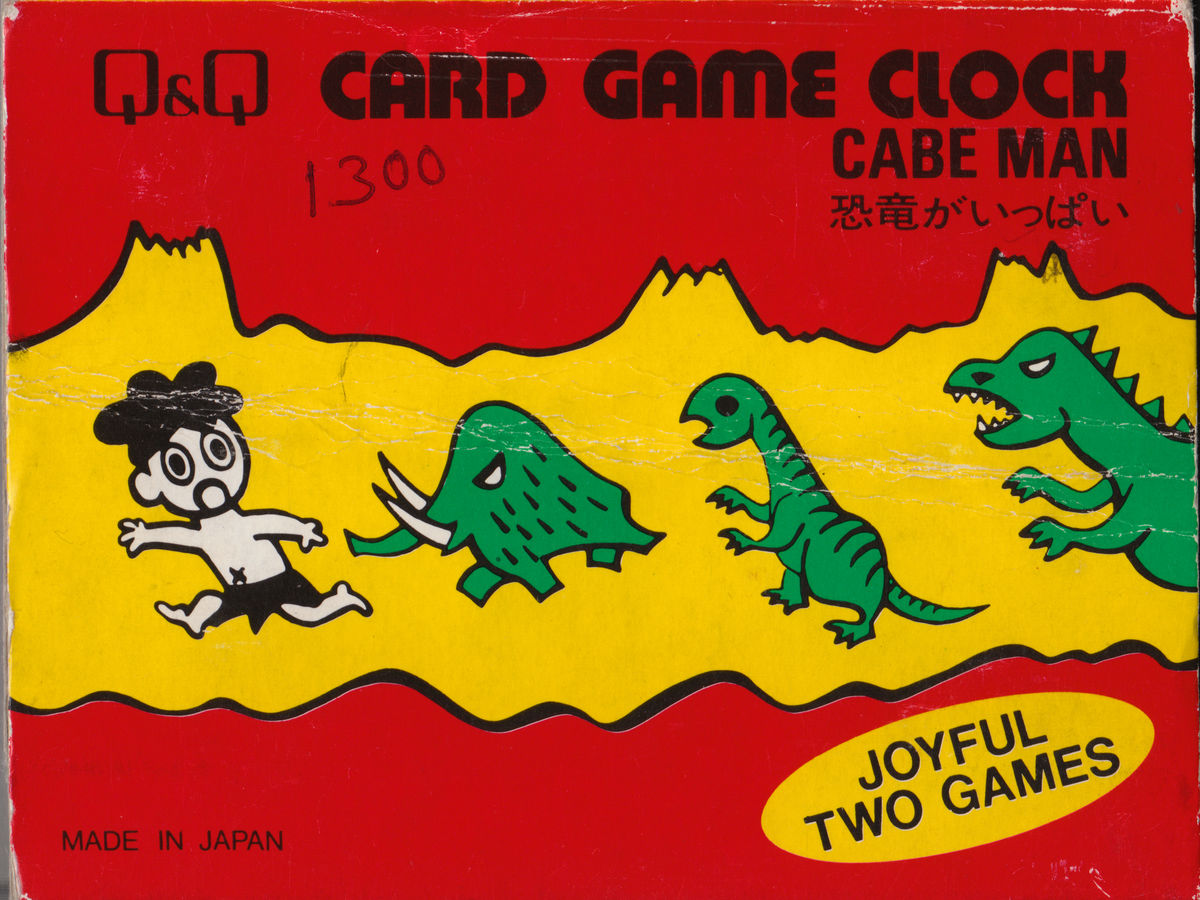
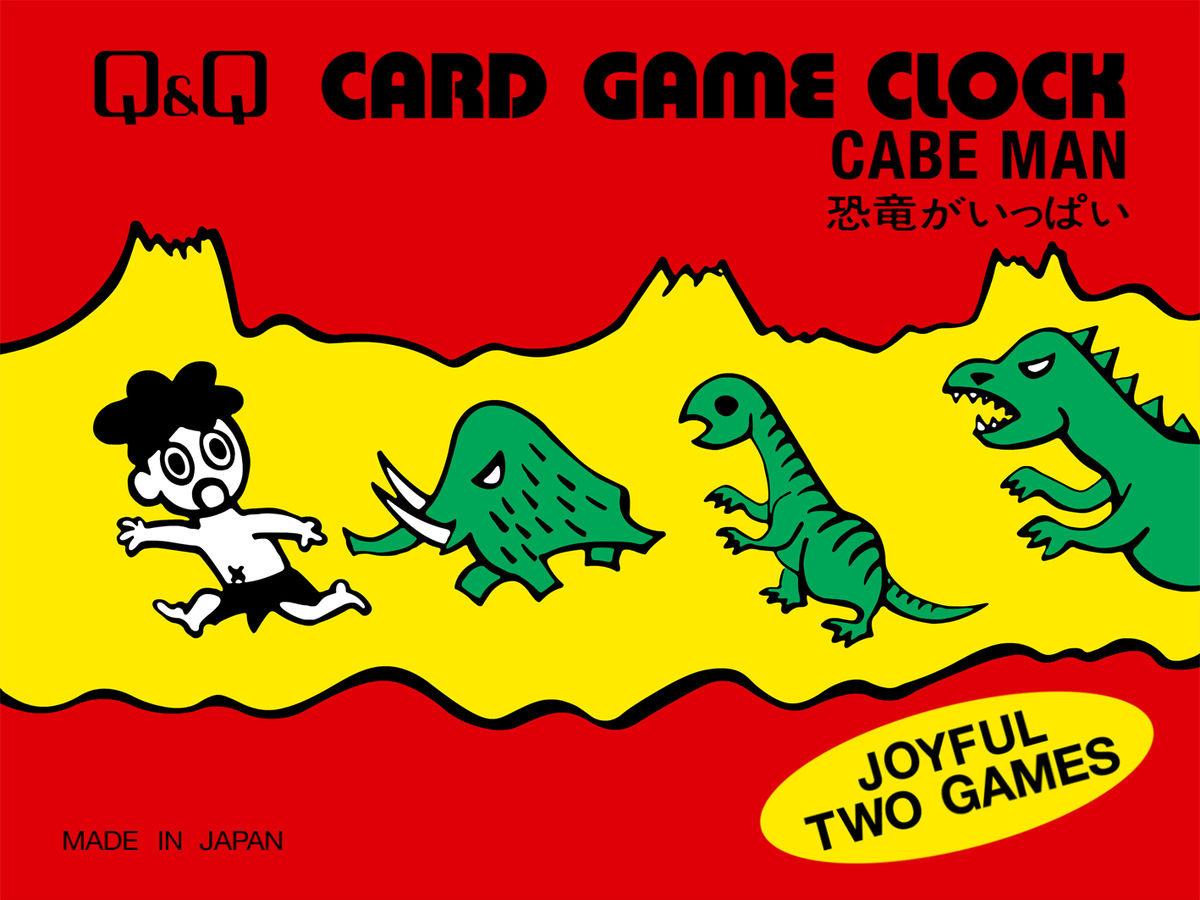
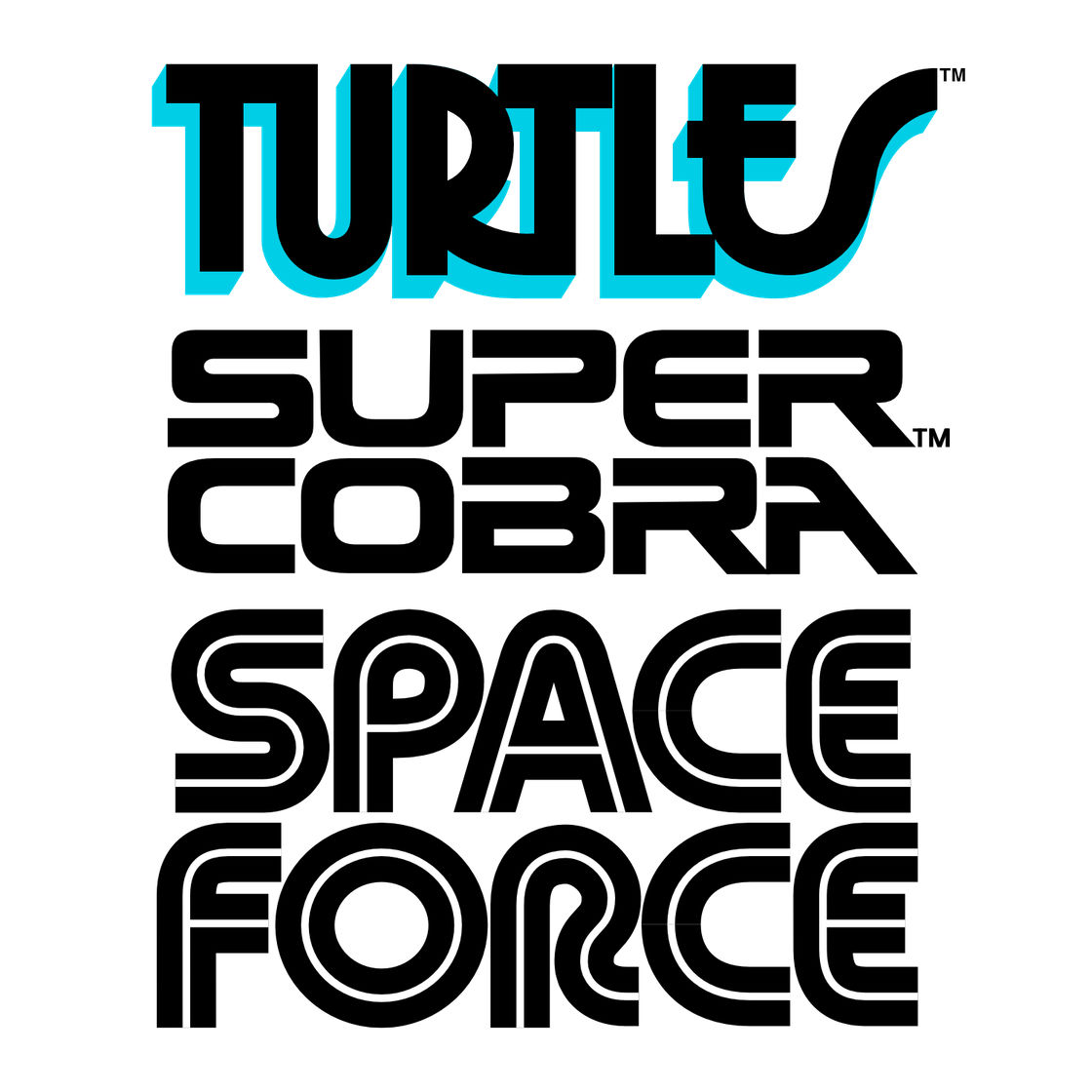
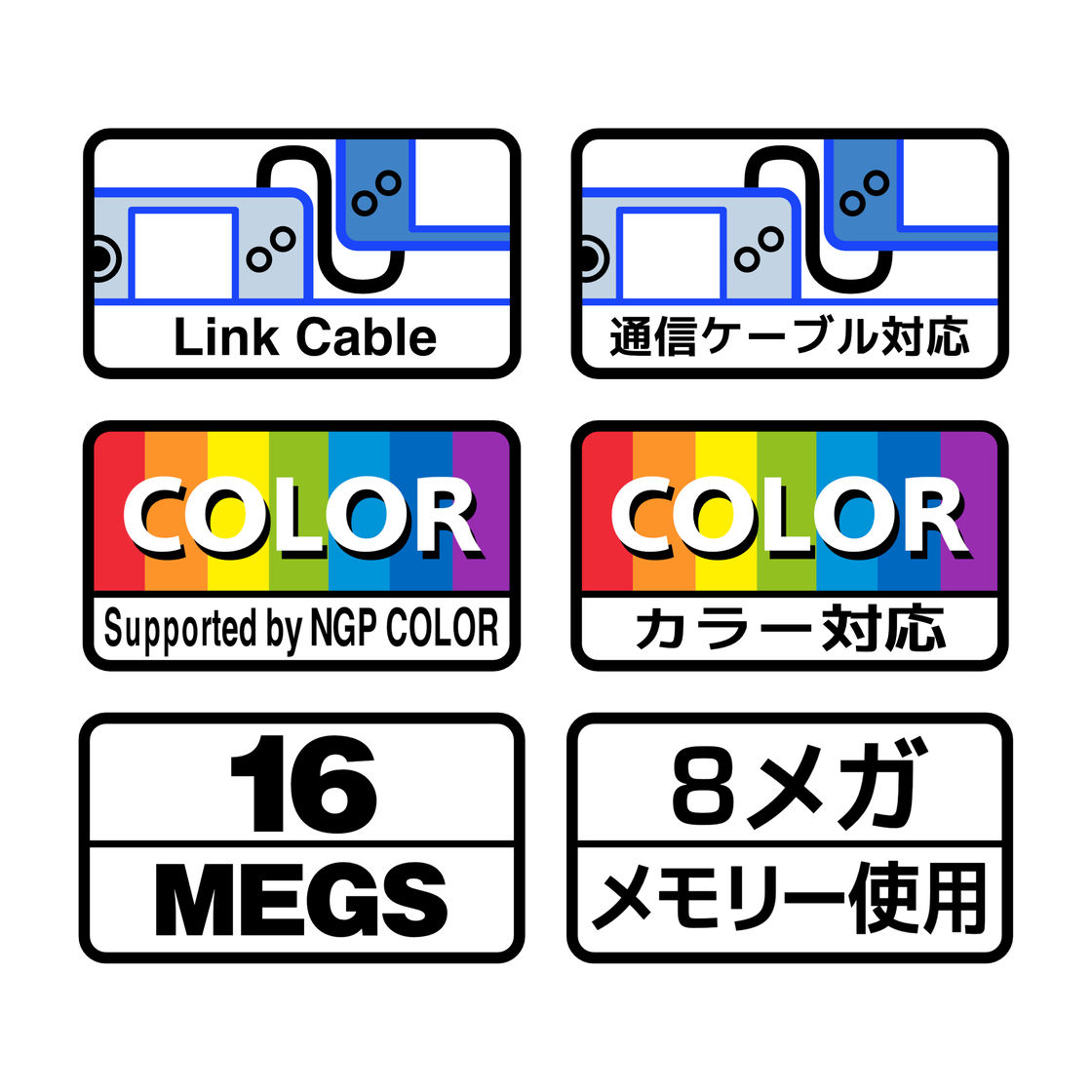
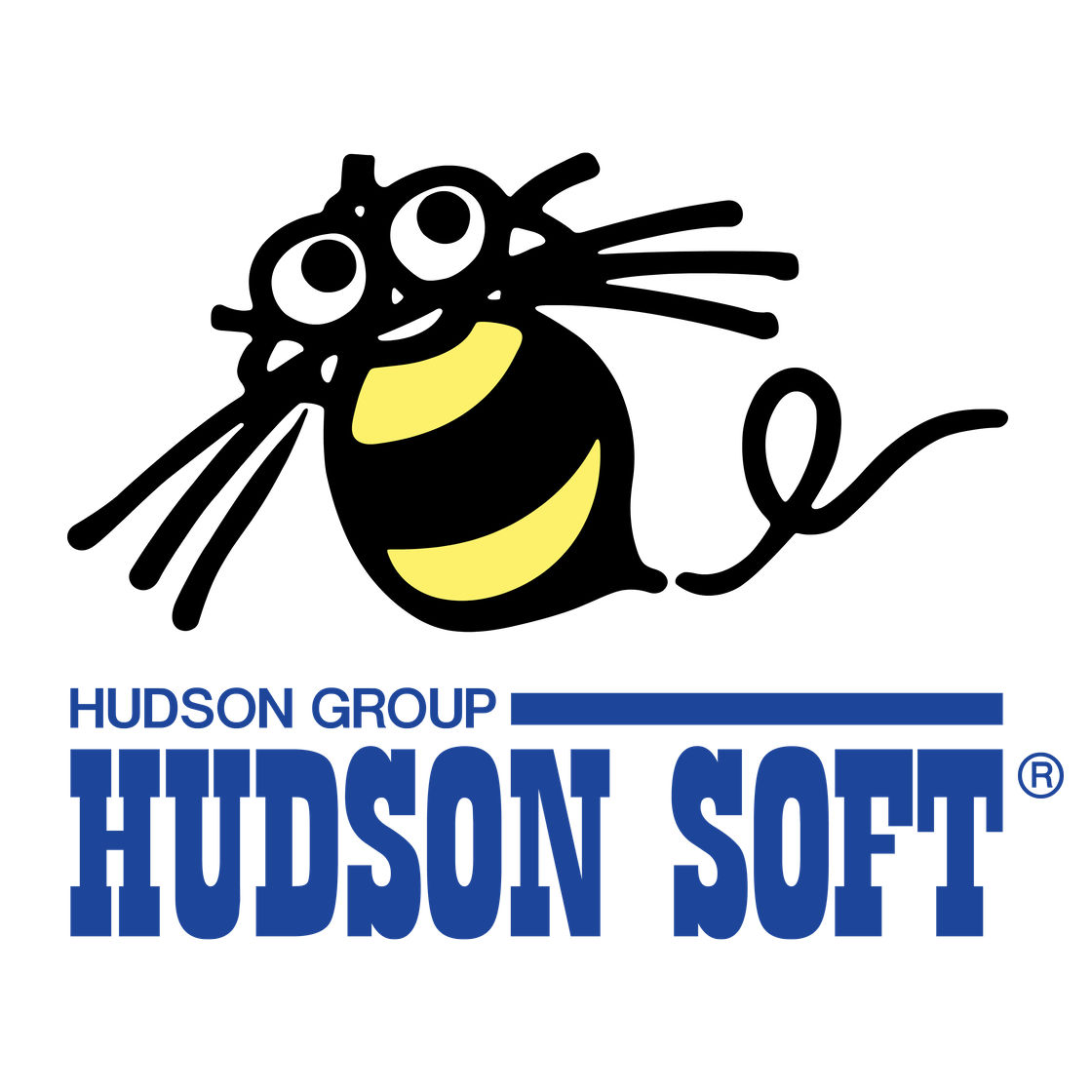
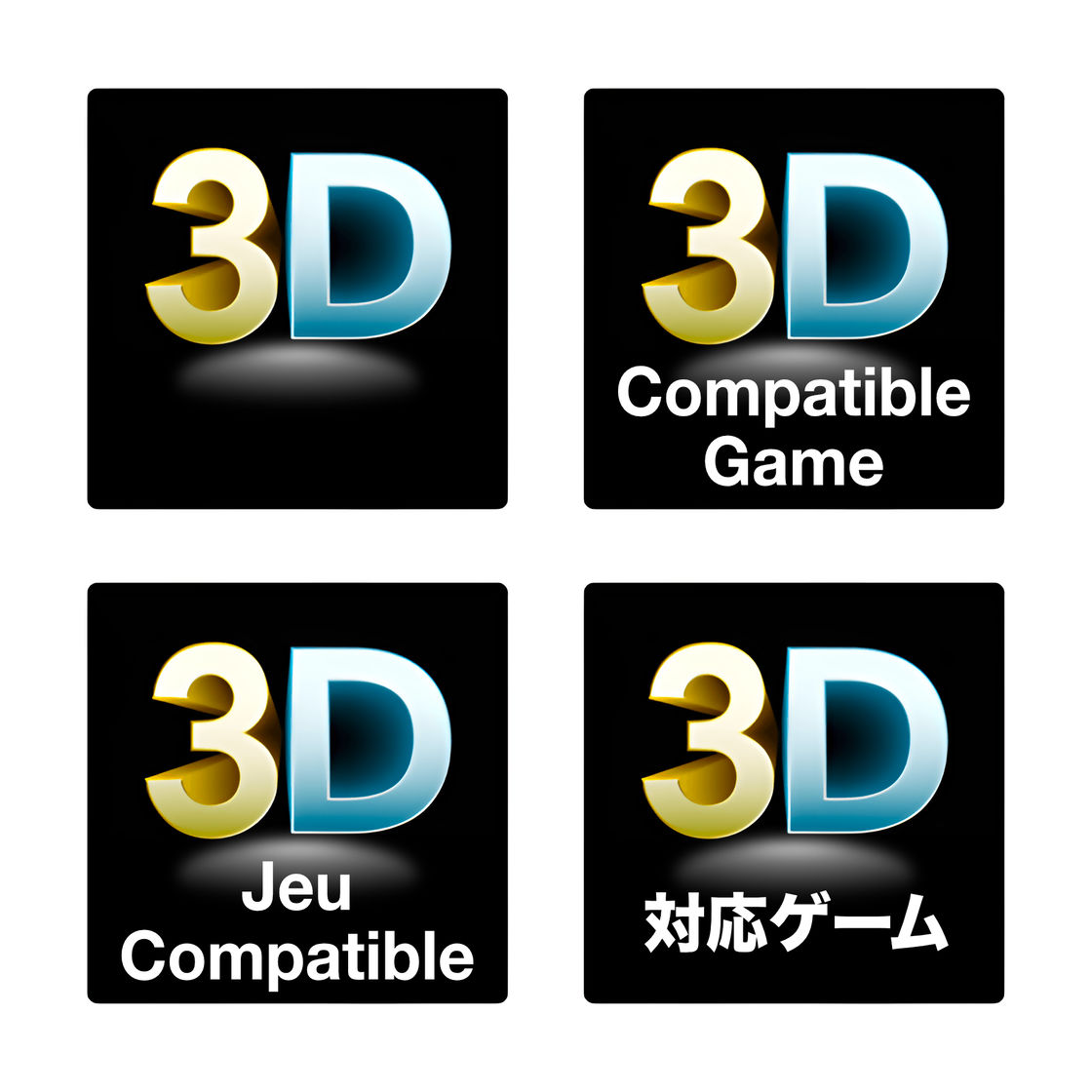
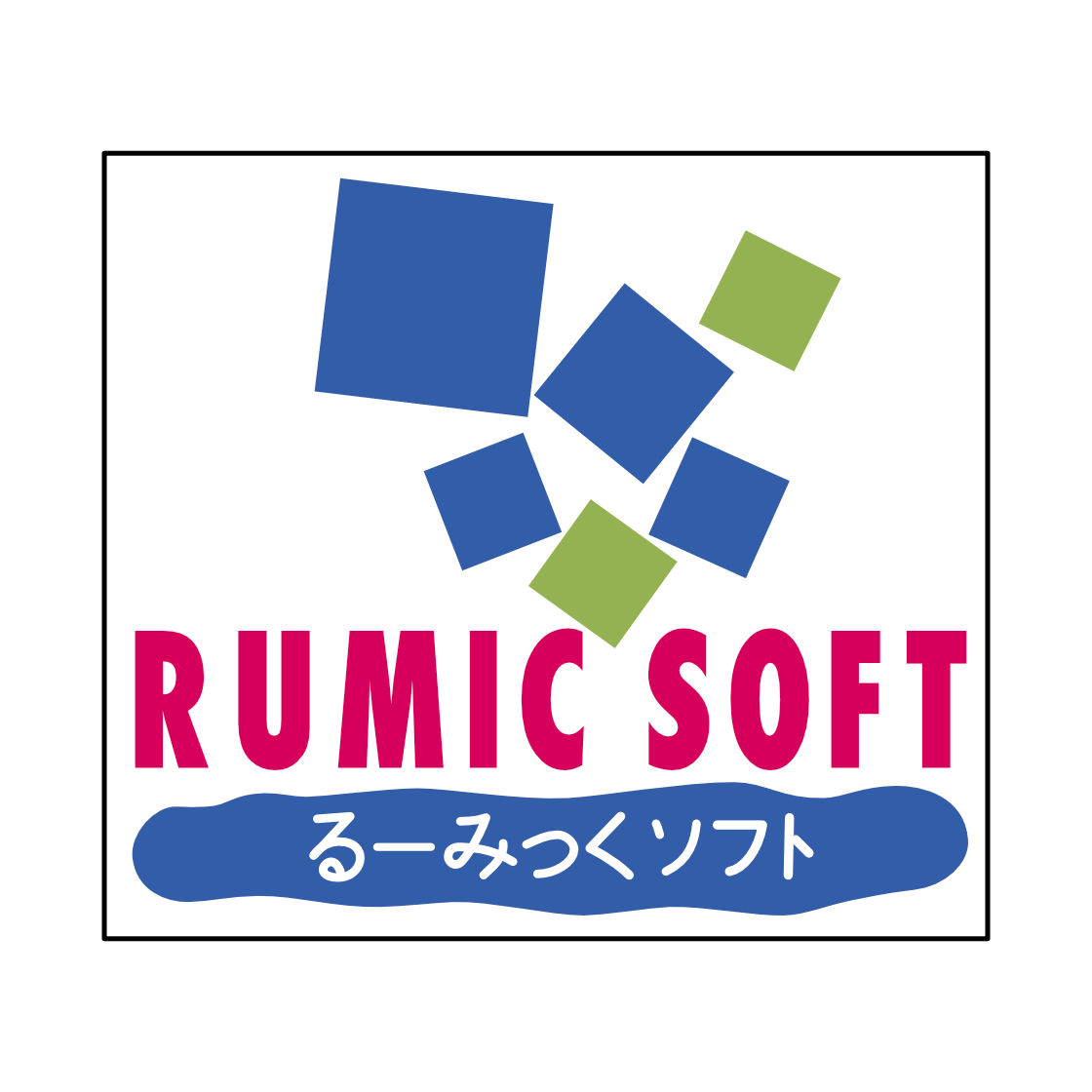
Vectorization is the process of transforming a raster image, composed of pixels, into a vector image constructed with scalable paths and shapes. The beauty of vectorization is that when you zoom in on the vectorized image, it remains crystal clear. Images featuring simple and sleek designs, like logos, icons, and illustrations, are prime candidates for this process. They often boast well-defined shapes and lines that can be seamlessly converted into vector format.
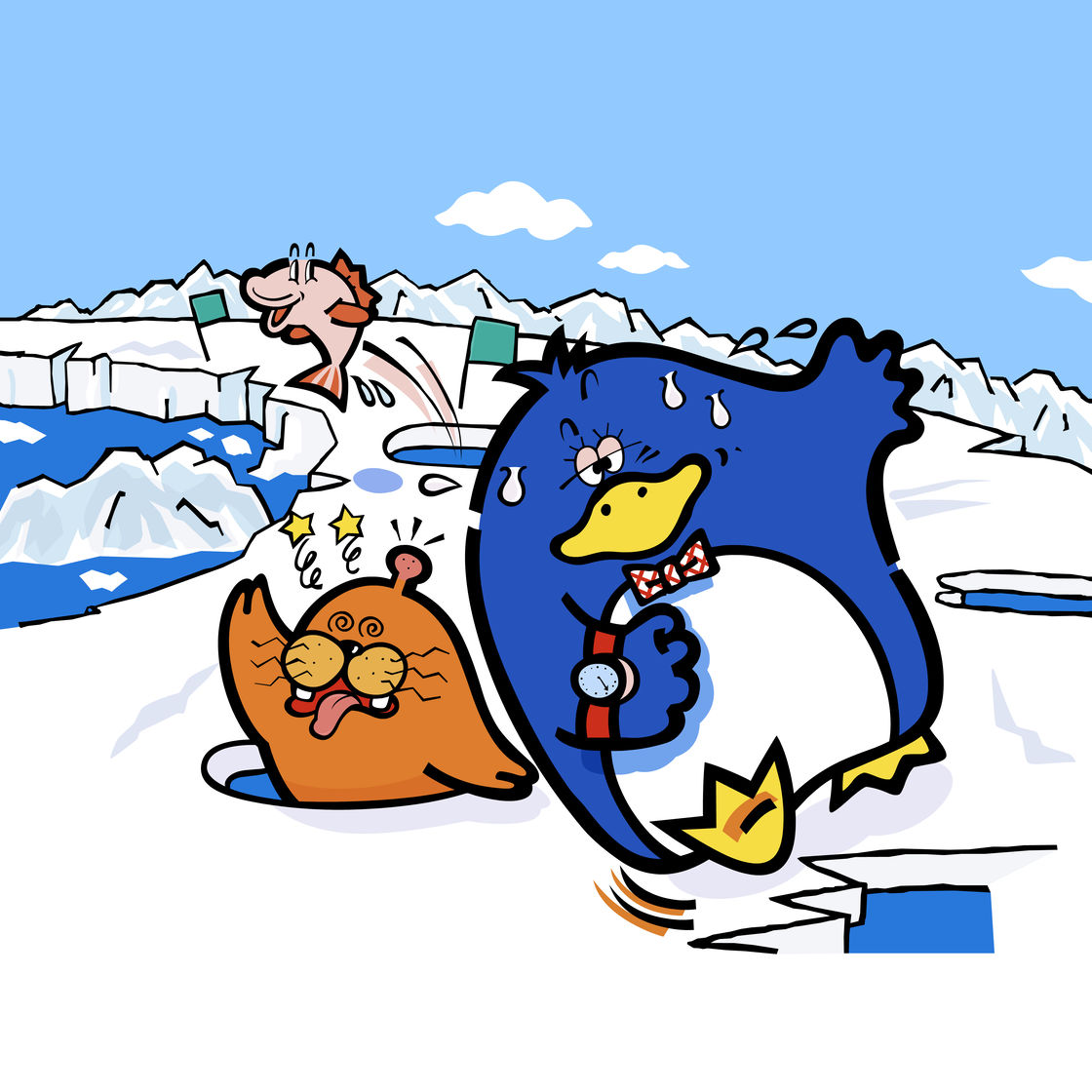
I invested a significant amount of time in vectorizing images to achieve the utmost cleanliness in the final result. Here are a few illustrative examples:







I was an active member of Underground Gamer, a retro video games tracker that existed from 2006 to 2013. The users, numbering around 46,000 in 2013, were highly dedicated to filling their archives; in my case, I provided a substantial number of video game scans, including packaging, front/back covers, manuals, and more. The tracker included a Spirit system, which users could gain points in through activities such as uploading, seeding, posting on forums, and inviting other users. Additionally, there were Golden Torrents, which set the standard for packaging, organization, and quality, serving as role models for other torrents.
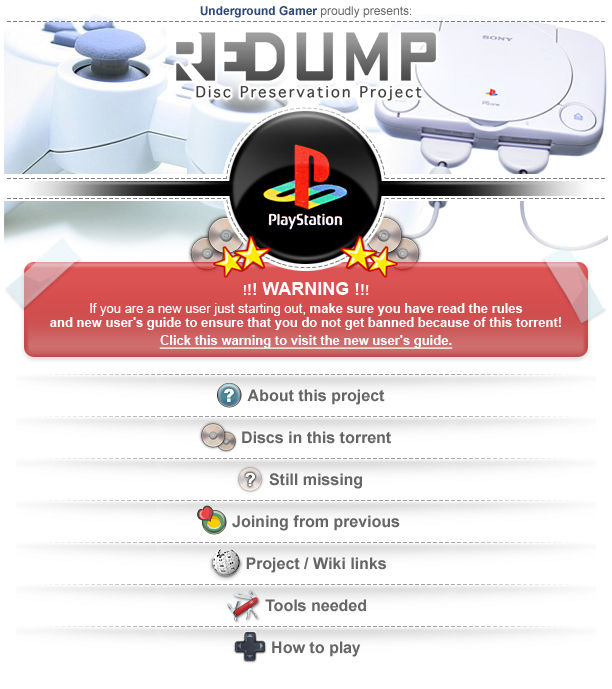
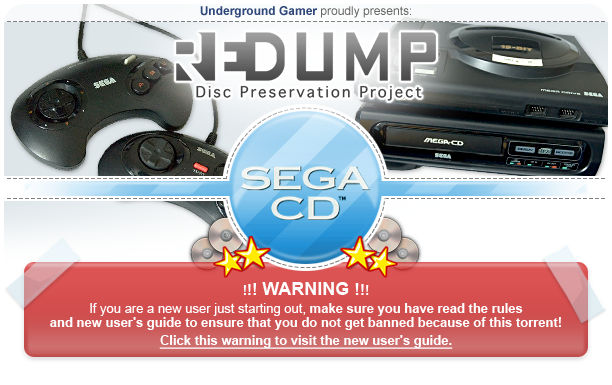
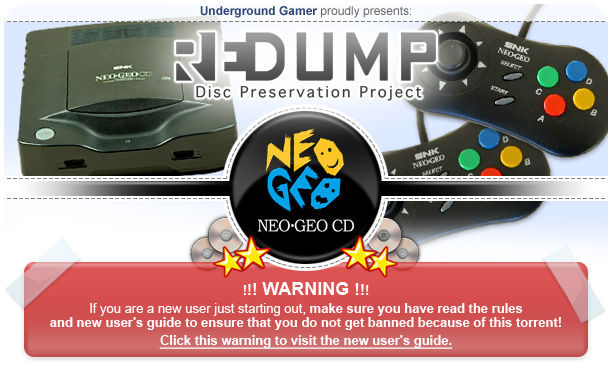
In April 2009, I designed a template that was used to host Redump's content. My design eventually became the official template for the tracker.

HDDX was often seen as the younger sibling of Underground Gamer. I designed a collection of 74 torrent icons, which later became the official icons for the tracker. Each icon had two versions: one with a grey border for contributions and one with a golden border for complete sets.


















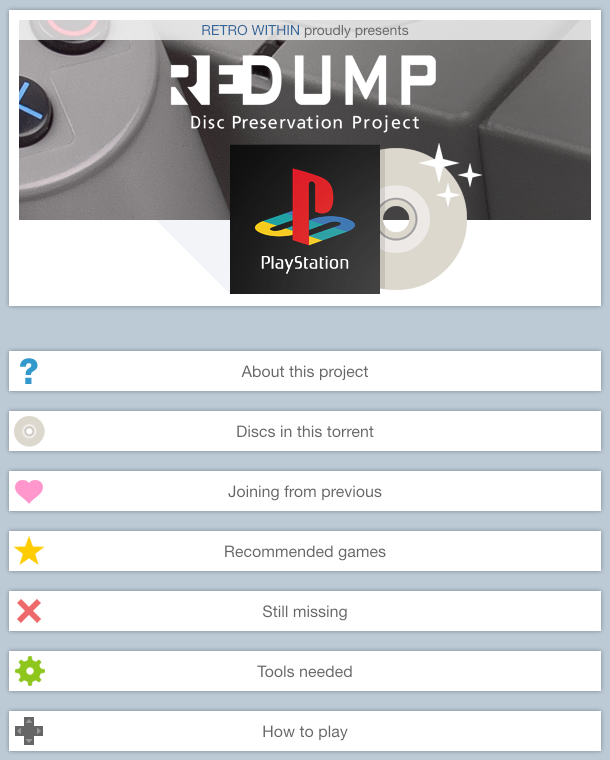
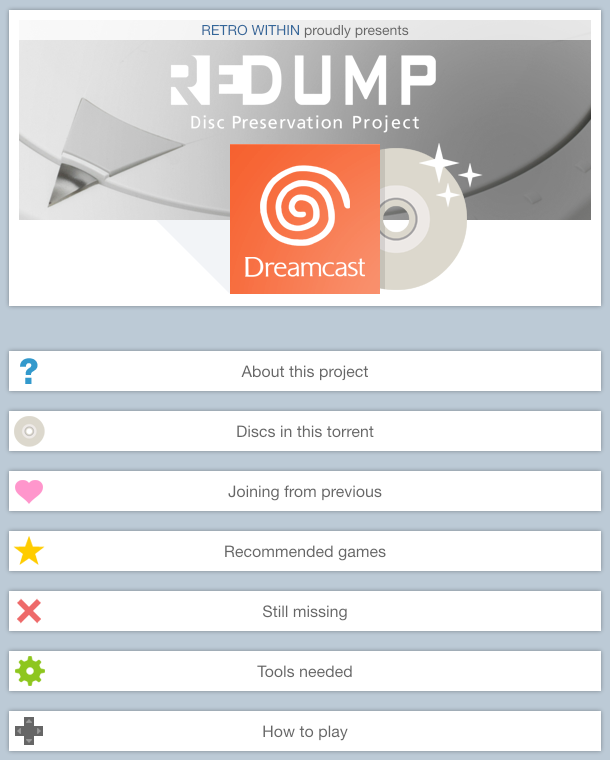
In short, Retro Within was the successor to Underground Gamer, serving as a retro video games tracker with a vast collection of treasures from the past. During my time there, I attained the Elite User status, primarily contributing my scans from the Super Street Scanner II project. In 2015, I decided to update my 2009 template, and the outcome was a more modern, simple, and flat design. However, elements of my previous design from Underground Gamer are still in use.
Check out some of my other similar projects: