
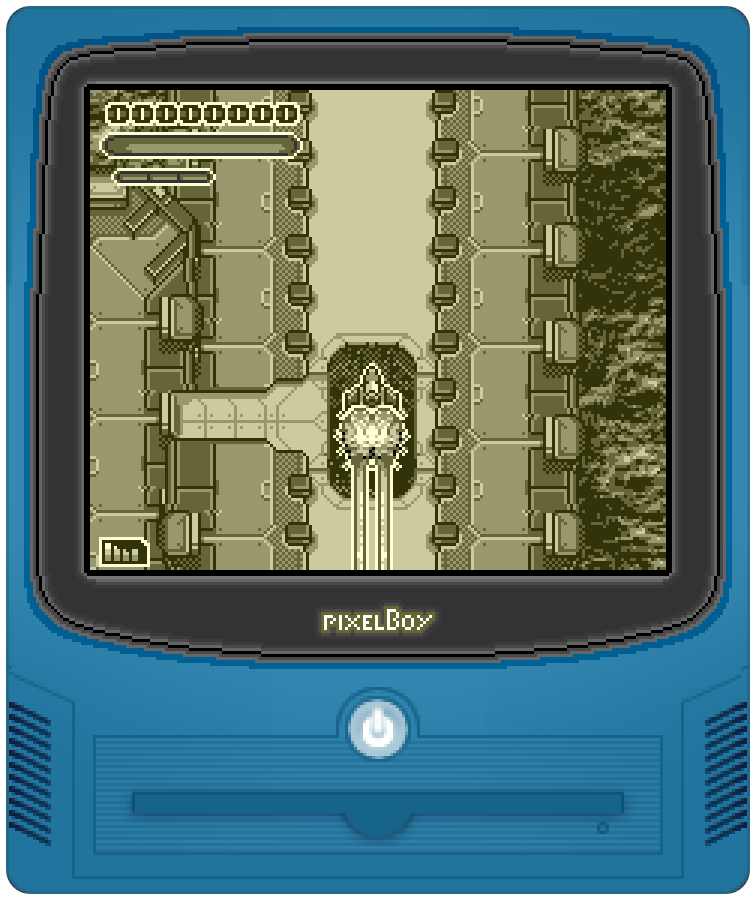
Meteor Busters was a shooter game running on the Pixel Boy, a virtual console I designed myself.
It also served as the sequel to Escape the Planet.
© 2004-2005 Alexandre Renevey
"Year 2300. The Galactic Media reports that two massive meteoroids shattered in Dextera's thermosphere, sending deadly debris hurtling toward the planet. With total destruction imminent, the Galactic Confederation, under the AYUYODA alliance, urgently launched its best prototype spaceships to counterstrike the threat. Will Operation METEOR BUSTERS go down in history as the mission that saved Dextera? Only YOU can decide!"
Meteor Busters was a fast-paced, meteor-blasting, planet-saving shooter running on the Pixel Boy, a virtual console I designed and built from scratch. It was one of the few fully finished games I released for the system, alongside a bunch of unfinished prototypes (RIP, little projects). It was also the sequel to Escape the Planet, which you can check out at the bottom of the page.
I released the game on the Flash Kit forums on October 22, 2005. Flash Kit was a popular online community and resource hub for Flash developers, where creators shared their games, animations, and coding tips.

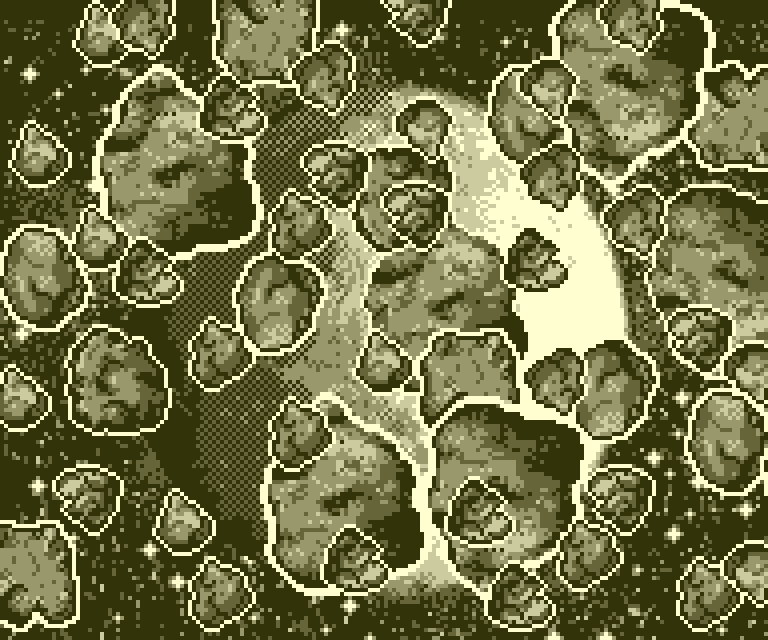

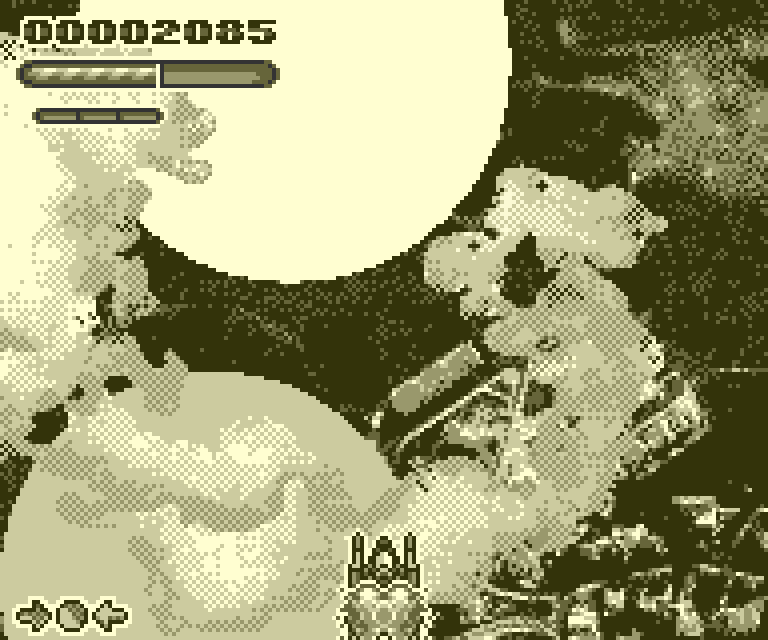
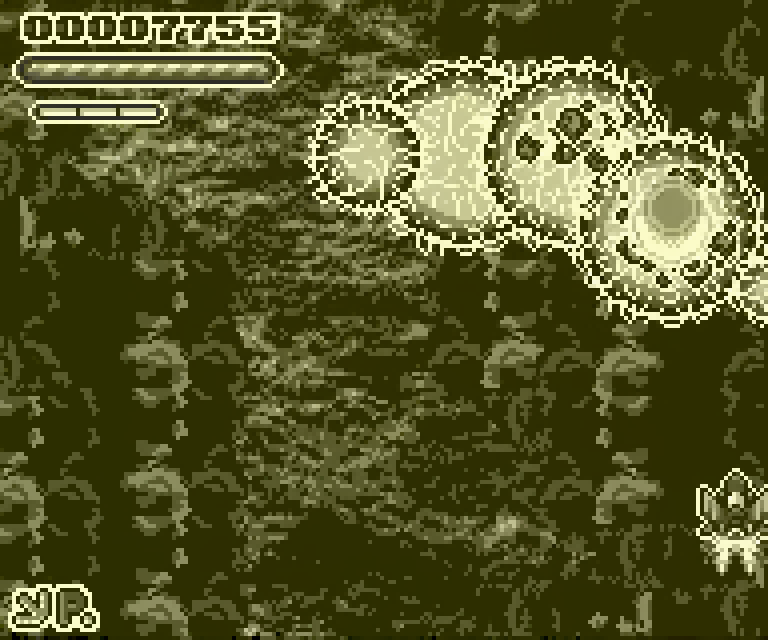
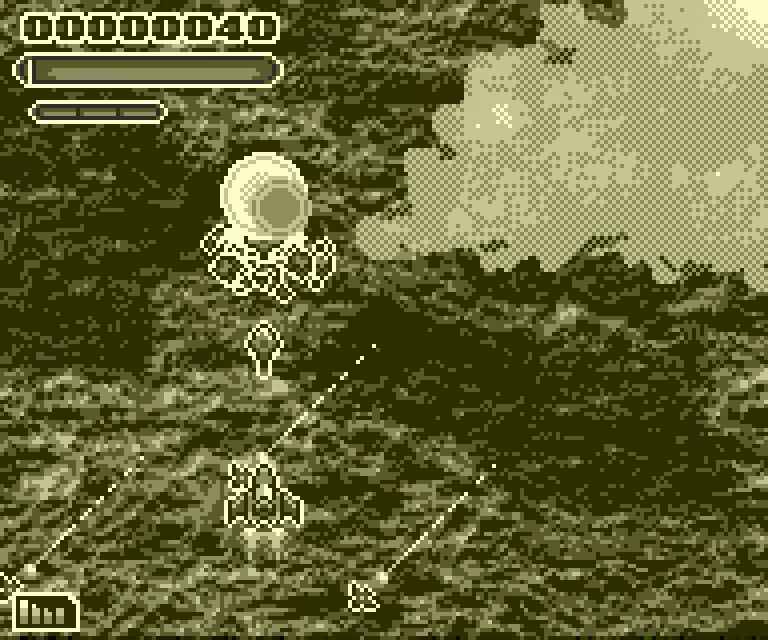
I wanted this game to feel like pure chaos in the best way possible: meteors everywhere, explosions left and right, and a screen shake effect that made every hit feel extra satisfying. Nowadays, screen shake is in almost every action game, but back then? It was kind of a big deal. With only 5 colors, Meteor Busters managed to create a punchy, retro pixel-art aesthetic, using generally 4 colors for the backgrounds (based on remixed and pixelized Google Maps images) and saving the brightest one for important elements like your ship, meteors, and the interface.
Meteor Busters had 6 levels of pure arcade action, a final boss to defeat (some kind of living infected meteorite), a fully original soundtrack, and some absolutely brutal, old-school difficulty that kept players coming back for more. If you liked classic arcade shooters with a twist, Meteor Busters delivered a fast, flashy, and explosive ride-one meteor at a time.
To make Meteor Busters, I used Adobe ImageReady and Photoshop for the pixel art and animations. For the backgrounds, as I mentioned, I grabbed real overhead photos from around the world and worked to make them unrecognizable, like splitting up buildings and tweaking things. It helped give the game an authentic vibe while keeping the visuals interesting. The coding and development were done in Adobe Flash (now Adobe Animate), using ActionScript 1.0 to bring everything together.


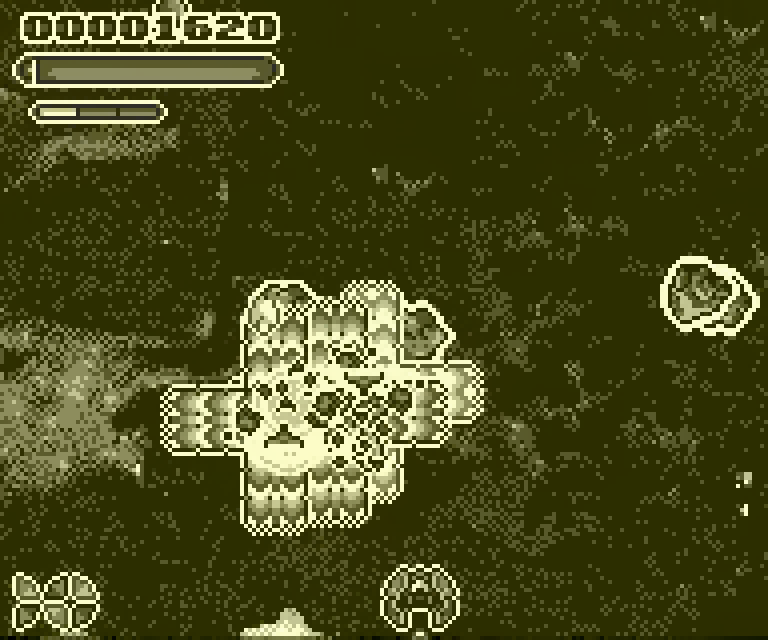


"The operation, codenamed 'Meteor Busters', was a success! Several days later, fragments of the living meteorite were analyzed. The Galactic Confederation reported that it had been infected by a life form, possibly an unknown virus... Did the meteorite decide to destroy Dextera's planet on its own? The universe's deep mysteries will probably never be entirely solved..."
"Amazing work! The whole thing has a really great look and feel. The menus, loaders, and startup animations were superb. Loved the 'rumble' effect with the boosters. It does get pretty hard, but that just adds to the fun!"
"Graphically, Meteor Busters truly shines. The sprites look better than those in most commercial games and, surprisingly, they rarely get lost on the screen despite the grayscale palette. Everything looks crisp and professional, from the superb parallax scrolling to the slight shaking of the window and satisfying spray of debris during an explosion."
"Amazing game - every detail is perfectly taken care of. I'm impressed by how you can master coding, graphics, and gameplay all on your own. Congratulations!"
"I'm speechless... Wow. Very retro-stylish! I also really liked the pre-game animations."
"Excellent game - plays even better than it looks! Loving those 'earthquake effects', they really add to the overall experience."
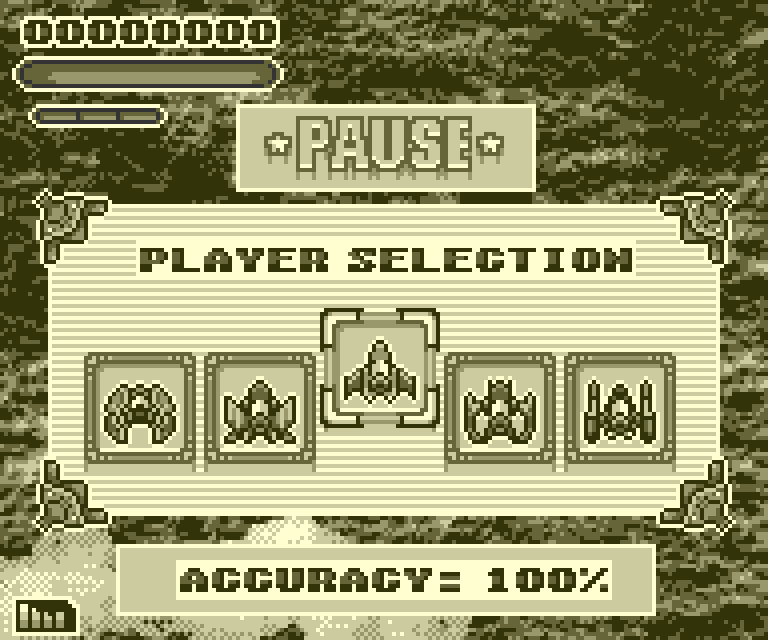
Meteor Busters wasn't just about shooting stuff: it was about shooting stuff with style. You could pause the game at any moment to swap between five unique ships, each with its own special weapon and playstyle. I personally had a soft spot for the Crashman Ship (see below), but I think it was a bit overpowered :)
Plus, the more meteors you destroyed, the stronger your ship became. For example, the Laser Ship started with a single laser beam, but fired four simultaneously at its max level. However, losing a ship meant your power level dropped, and if all five ships were lost, it was game over. There was no way to recover a destroyed ship, unless you lost them all and used a continue. You had three continues in total to make it through all six levels. Mastering when to switch ships was key to survival, especially in the later, utterly chaotic levels.
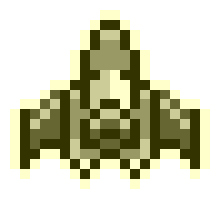
The Standard Ship fired straightforward bullets.
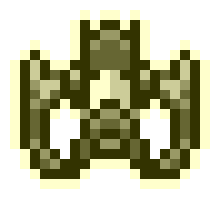
The Laser Ship had a continuous laser beam for shredding through meteor clusters.
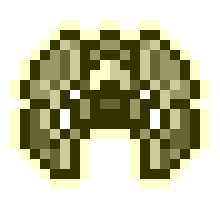
The Crashman Ship launched sticky bombs that clung to meteors before detonating.
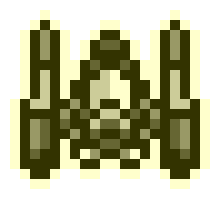
The Gravity Ship could capture and fling meteors as deadly projectiles.
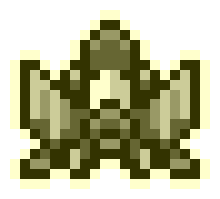
The Bomb Ship had a short range but created massive explosions.

Wait, you could play as Pinky in Meteor Busters? How?? (Read the cheat codes below)
"This is the best Flash game I've ever played! I was completely immersed in the sound effects, the world, and the graphics - meteorites EVERYWHERE. This is... I don't even know how to say it - Wowsers!"
"It's really well done. It doesn't aim for anything it can't achieve, and achieves everything it aims to do. The mark of a good developer."
"I'm very impressed. As always, your attention to detail makes all the difference."
"Gorgeous work as usual! The effects there are pretty cool!"
"Yummy. And it plays just as nicely as it looks. Oh, and the parallax is just sex."
Meteor Busters also packed a bunch of secret cheat codes, which players could enter at the title screen to unlock cool bonuses. Every time you beat the final boss, the game rewarded you with a new (sometimes random) cheat code to try out next time. One of the best unlocks was a hidden spaceship that let you play as Pinky, a character I created and used in many of my prototypes and games, including Bubble Islands, a Game Developers Conference (GDC) finalist. Playing as Pinky gave you access to a unique version of his homing halo weapon, which automatically locked onto and destroyed meteors: basically an aim-assist dream.
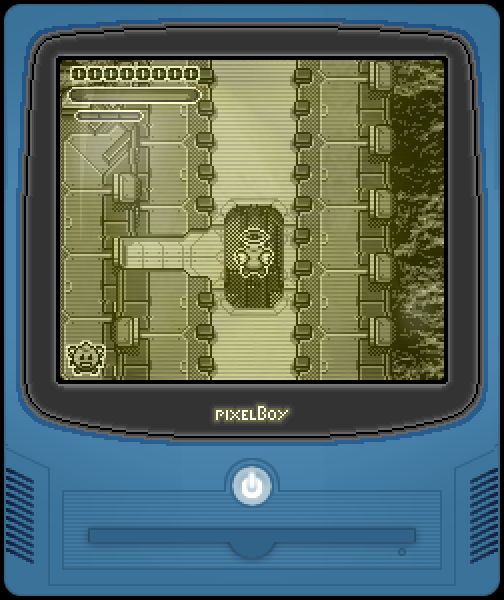
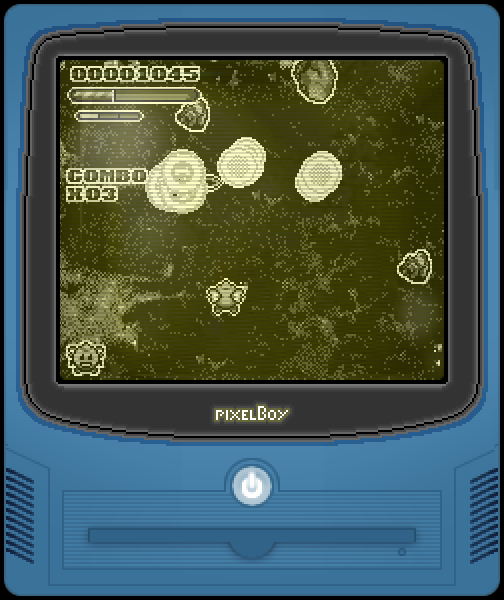
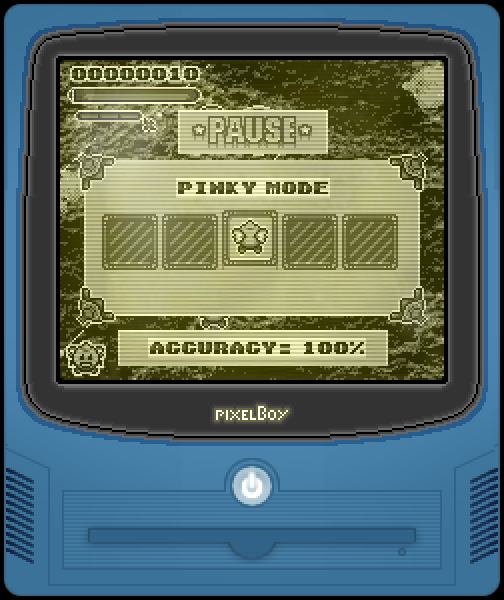
Other cheats included player invincibility, skipping to a specific stage, maxing out your ship's power, infinite continues, and even destroying any meteorite with a single bullet. There was also a fun cheat that made all the meteorites huge! Finally, a special cheat allowed players to activate multiple cheats at once; without it, only one cheat could be enabled at a time. These hidden cheats added an extra layer of replayability, rewarding curious players with new ways to tear through the game.
Fun fact: I encouraged players to complete the game and discover the cheat codes on their own. Whenever a new cheat code was found, I invited them to share it with me, and I would publish it on my website at the time. A few passwords were actually never discovered.
The Meteor Busters soundtrack was put together by Matyas Kiss from HorsForm, a classmate from my multimedia school days (1999-2003). He used Reason by Propellerhead to create a wild mix of chiptune and glitch hop, giving the game a unique, high-energy yet retro vibe. The album has eight tracks, all packed with retro-inspired beats and crunchy, futuristic sounds that fit the fast-paced gameplay perfectly.
To top it off, Joel 'Roomie' Berghult, a Swedish YouTuber, singer-songwriter, and producer whom I originally knew as 'twistedminds' back in the day, played and liked the game so much that he shared feedback on the sound effects, even creating some himself, helping fine-tune the overall audio experience. He also shared with me a few of his earlier audio tracks, which I have kept dearly.


One of the standout tracks is called "Infected Specimen", which plays during the final boss fight. The boss is an infected meteorite with what seems like its own intelligence, adding some extra intensity to the encounter. For this track, I took another track Matyas sent me, sped it up, and layered it twice with a considerable delay to create a stronger rhythm and build tension. It's probably not as good as if he had done the track himself, but it still worked quite well. All in all, the Meteor Busters soundtrack played a big role in making the game stand out.
If you'd like to get more info about the album, I've created a dedicated page here. Alternatively, you can head directly to Bandcamp, a platform for independent artists to share their music, to grab the album.
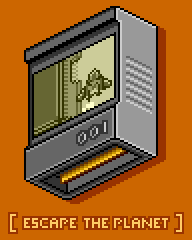
Escape the Planet was released in 2003 and served as the prequel to Meteor Busters. It was also the first complete game running on the Pixel Boy virtual console and shared many similarities with Meteor Busters. In Escape the Planet, meteors were heading straight for planet Centra. Players had to rescue as many people as possible and bring them to Station AT-108, a safe haven floating above the clouds and beyond the atmosphere, dodging and blasting through a storm of meteors along the way.
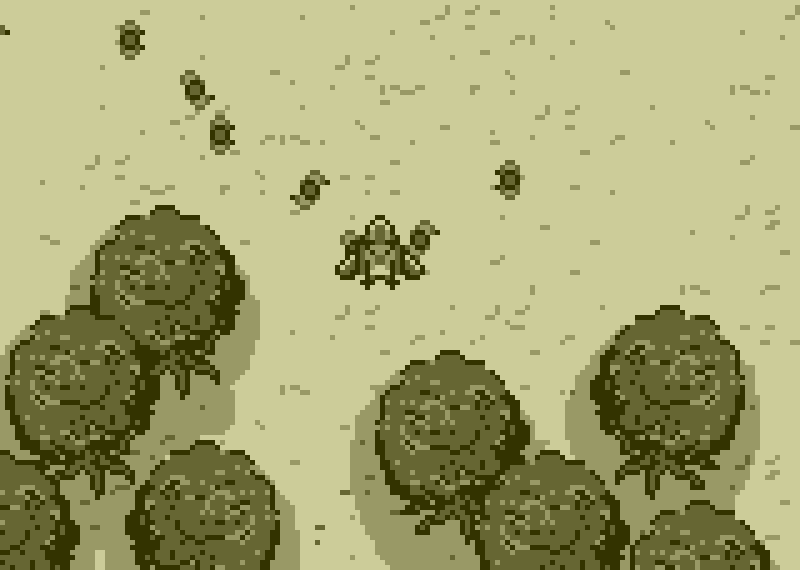
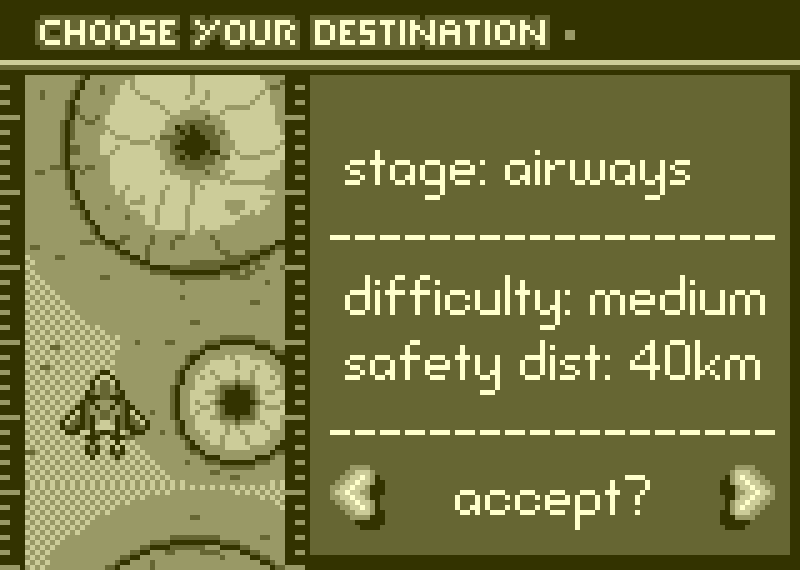
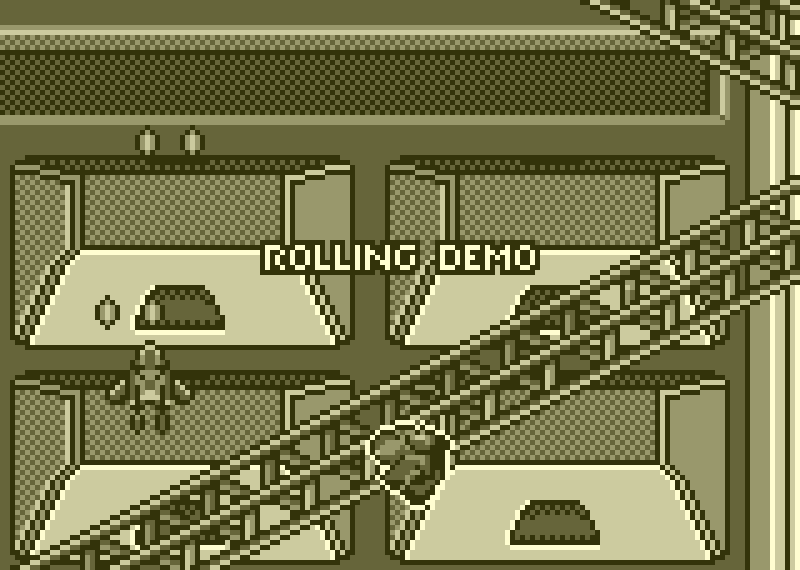
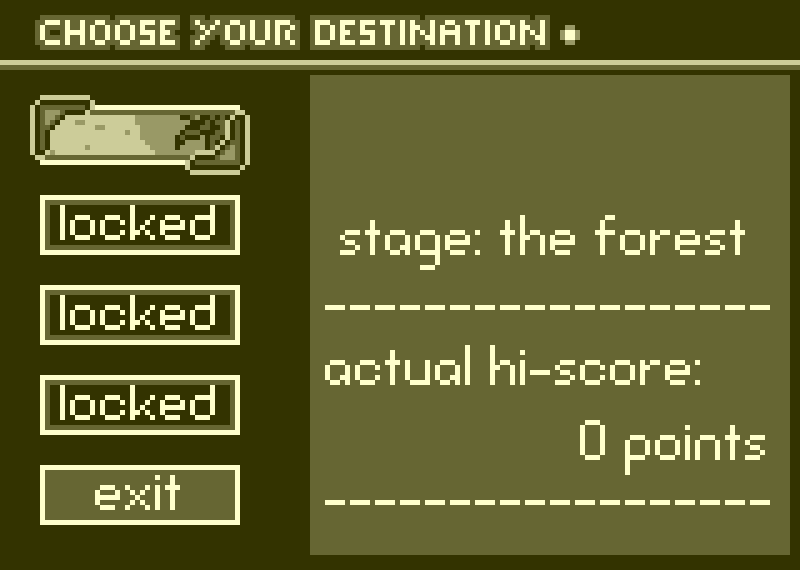
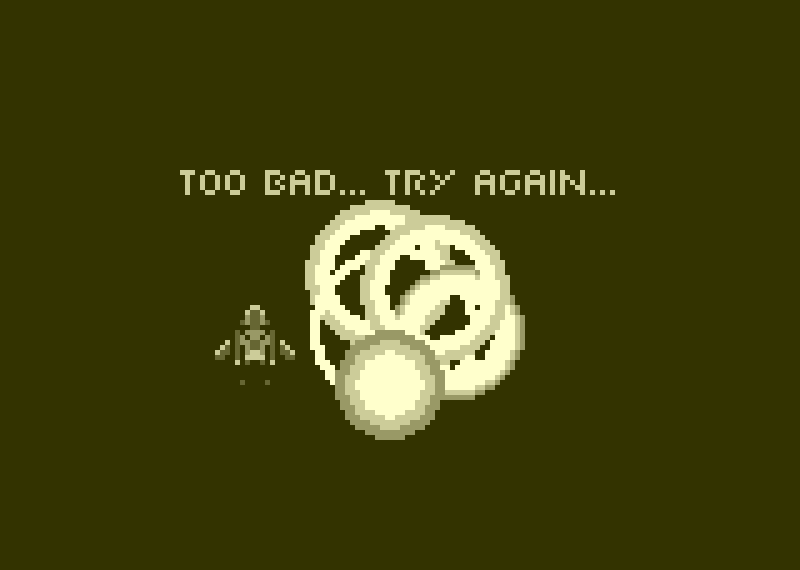
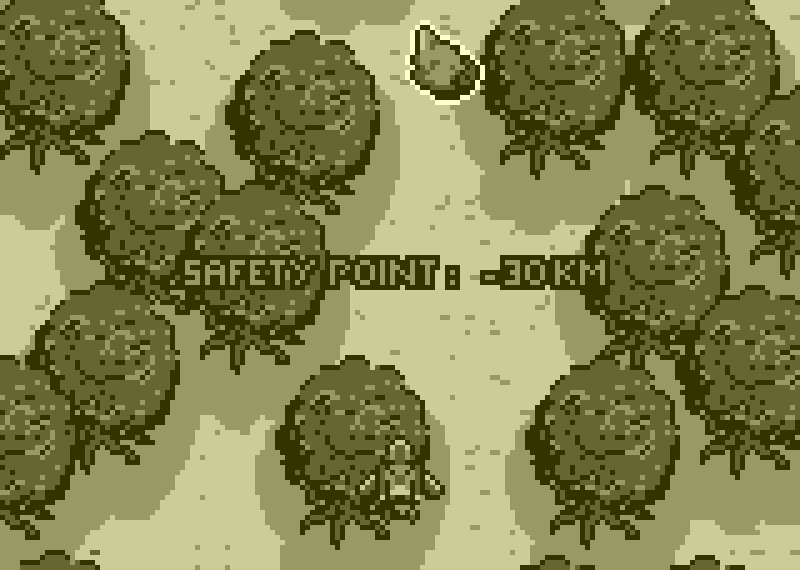
Players could choose any stage from the start. The forest was the easiest, with a safety distance of 30km. Then came the airways, with a safety distance of 40km. Finally, the hardest stage, the factory, had a safety distance of 60km; players had to survive for a long time to reach Station AT-108, all while facing an increasing number of meteorites. There was also a hidden stage: the abandoned roads.
Unlike Meteor Busters, this game featured only one ship and three lives to complete all levels. Players had to restart from the beginning of each stage after being destroyed. The weapon remained the same throughout the stages (no weapon upgrades during gameplay), which made Meteor Busters a huge improvement over Escape the Planet.
Fun fact: Escape the Planet took place in 2035, while the events of Meteor Busters occurred in 2300.
Fun fact: The planet in Escape the Planet was called Centra (meaning 'center'), while Meteor Busters took place on a different planet, Dextera (meaning 'right'). Maybe a third game would have featured a planet called Sinistra (meaning 'left') if it had ever been made?
There were two versions of Escape the Planet. The first, version 1.0, was released on Flashkit, a major online community dedicated to Flash development, offering forums, tutorials, and a massive library of shared resources, including games, animations, and sound effects. Users could play the full game directly on the forum, which helped Escape the Planet gain visibility.
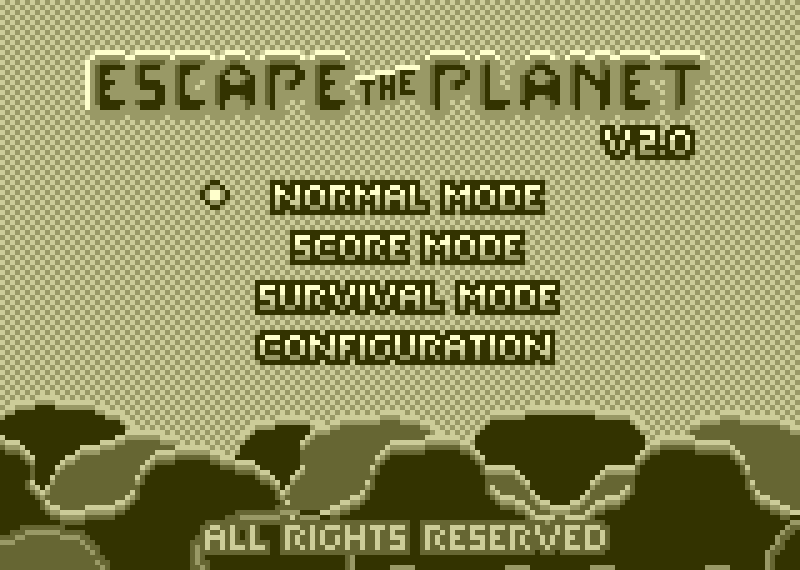
With the game freely available, I was approached by Lee Eason, the founder of pnFlashGames, a portal filled with Flash games and resources. Lee was a great guy, and we struck a deal: he would sell my game on his website, and in return, I would integrate a component he had developed called postNuke, a powerful tool that allowed games to save data online safely. For Escape the Planet, I used it to store high scores and track unlocked stages, allowing players to compete globally with a leaderboard displaying the highest scores. With these additions, the game evolved into version 2.0.
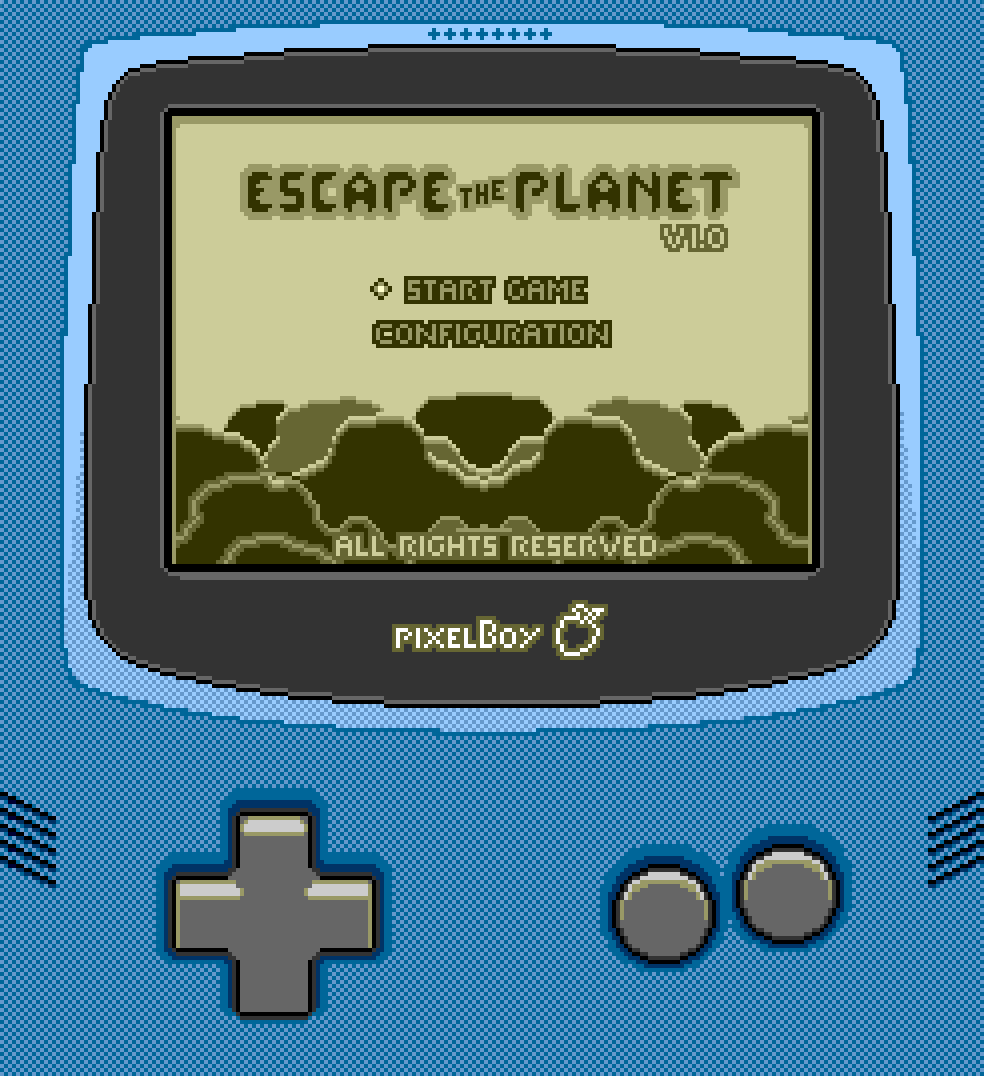
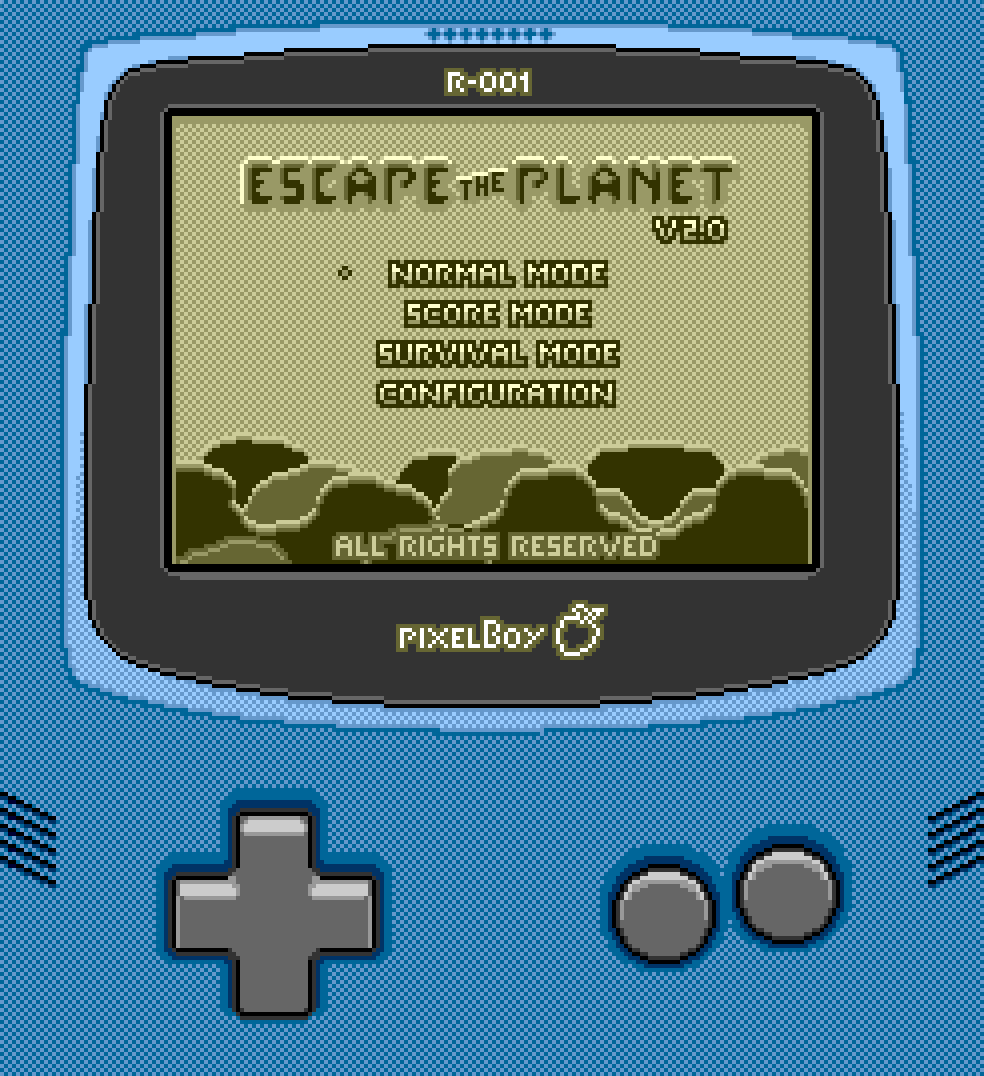
To make version 2.0 even more compelling, I added new features specifically for the postNuke integration. I created a Score Mode, designed for online leaderboards, where players could compete for the best scores. I also introduced a Survival Mode, in which players had to battle waves of meteorites in deep space, simply trying to stay alive. Surviving long enough unlocked an even tougher hidden stage.
With these additions, Escape the Planet became more than just a passion project; it was the first game I made for fun that ended up being sold and promoted as a paid title. All my thanks to you, Lee Eason ;)
Check out some of my other similar projects:
